Embrace the Outdoor Living Trend in 2026
As we stride confidently into 2026, outdoor living spaces have become more than just an extension of our homes. They are now essential refuges, seamlessly blending comfort, style, and sustainability. The shift towards outdoor retreats reflects our growing desire to reconnect with nature, even within urban confines. From sustainable materials to innovative technologies, homeowners are crafting verdant havens tailored to their lifestyles. Here’s how you can transform your outdoor space into a personal paradise.
Choosing Sustainable Materials
The foundation of any outdoor living area lies in its materials. In 2026, the focus is firmly set on sustainability. Traditional wood decks have been replaced by composite materials made from recycled plastics and bamboo fibers. These alternatives not only mimic the rich, warm aesthetics of wood but are also incredibly durable and require minimal maintenance. Additionally, permeable pavers are gaining popularity, allowing rainwater to seep through and replenish groundwater supplies, thereby reducing runoff and erosion.
Integrating Smart Technology
Smart technology is no longer confined to the interiors of our homes. Outdoor spaces are getting smarter, too. Imagine controlling your garden’s irrigation system, lighting, and even outdoor speakers with a simple voice command or through a smartphone app. Smart irrigation systems are particularly beneficial, using sensors to detect soil moisture and weather forecasts to optimize water usage. Solar-powered garden lights and energy-efficient, Wi-Fi-enabled outdoor heaters are also making waves, allowing you to enjoy your garden long after the sun has set, all while minimizing your carbon footprint.
Cultivating Native Plant Gardens
One of the most effective ways to embrace eco-friendly outdoor living is by cultivating a native plant garden. Native plants are adapted to the local climate and soil conditions, thereby requiring less water and fewer fertilizers. In 2026, we’re seeing a resurgence in the use of plants like California poppies, purple coneflower, and the majestic oak tree in U.S. gardens. These plants not only provide habitat for local wildlife but also bloom with vibrant colors that enhance the aesthetic appeal of your outdoor space.
Creating Multi-Functional Spaces
Outdoor spaces are no longer single-purpose. The trend is toward multi-functional areas that can adapt to various needs and occasions. Think of a pergola that serves as both a dining area and a workspace, or a fire pit surrounded by comfortable seating that doubles as a cozy reading nook. Furniture that is modular and weather-resistant expands the flexibility of these spaces, allowing you to easily transition from a family barbecue to an intimate evening under the stars.
The Vertical Garden Boom
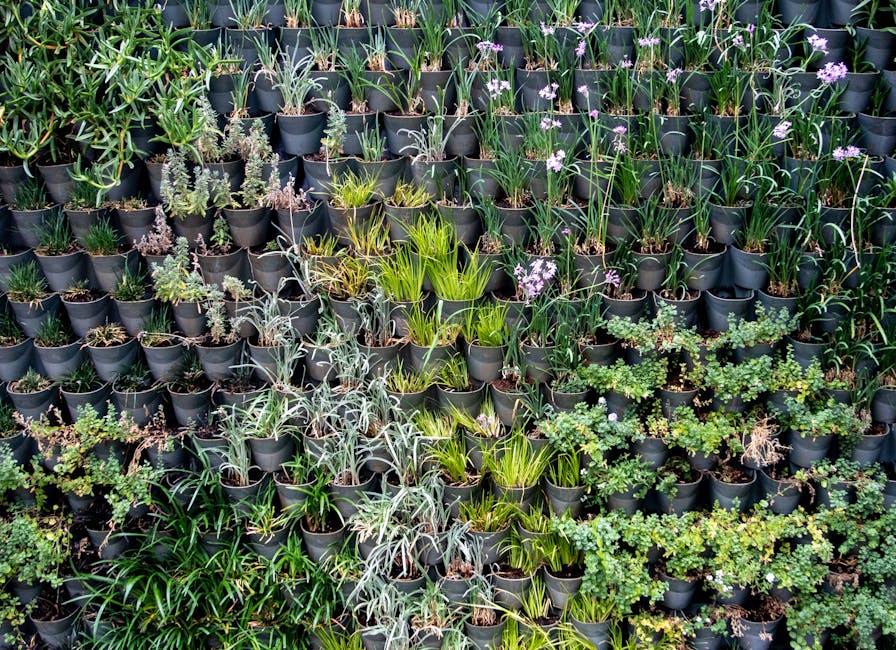
Urban dwellers often face space constraints, making vertical gardens an ideal solution. By utilizing walls and fences, vertical gardens maximize limited space while adding lush greenery. In 2026, these gardens are more innovative than ever, incorporating automated watering systems and UV-resistant materials. They offer not only aesthetic benefits but also practical ones, like improving air quality and providing privacy. Herbs, succulents, and even small fruit-bearing plants can thrive in these vertical setups, offering beauty and bounty in equal measure.
By focusing on sustainability, innovation, and adaptability, your outdoor living space can become an eco-friendly haven that enhances your lifestyle and supports the environment. As the lines between our indoor and outdoor spaces blur, the possibilities for creating a personalized retreat are truly limitless. Embrace the outdoor living revolution and let nature become an integral part of your home.