Understanding Adaptive Lighting

Adaptive lighting has redefined the way we perceive and interact with our living spaces in 2026. This innovative approach to home illumination tailors light settings to match moods, activities, and even the time of day, enhancing both functionality and comfort. It’s not just about having a light on or off anymore—it’s about creating an environment that reflects your lifestyle, seamlessly adapting to your needs.
Thanks to advancements in smart home technology, adaptive lighting systems have become more accessible and customizable. Imagine a living room that adjusts its lighting to complement your evening relaxation routine or a home office that provides the perfect brightness to maximize productivity during the day. The possibilities are endless, and the control is literally at your fingertips.
Key Components of Adaptive Lighting Systems
- Smart Bulbs: At the core of adaptive lighting are smart bulbs, which can change color and intensity. Philips Hue, LIFX, and Nanoleaf are popular choices offering a wide spectrum of colors and shades of white light.
- Sensors: Motion and light sensors ensure lights adjust based on occupancy and natural light availability, reducing energy consumption while maintaining optimal settings.
- Control Hubs and Apps: Devices like Google Nest Hub or Amazon Echo Show act as central control points, allowing you to adjust lighting through voice commands or mobile apps.
- Integration with Smart Home Systems: Seamless integration with existing smart home ecosystems, like Apple HomeKit or Samsung SmartThings, ensures your lighting works in harmony with other smart devices.
The Benefits of Adaptive Lighting in Your Home
The impact of adaptive lighting on your home extends beyond mere aesthetics—it plays a crucial role in enhancing well-being, safety, and energy efficiency.

Well-Being: Adaptive lighting supports your natural circadian rhythms by adjusting light temperatures throughout the day. Warm, dim lighting in the evening can help signal your body to prepare for rest, while cooler, brighter light in the morning can assist in waking you up and boosting alertness.
Safety and Security: With motion sensors linked to your adaptive lighting, entering a dark room is a thing of the past. Lights can automatically turn on when you enter a space and off when you leave, also simulating occupancy when you’re away to deter potential intruders.
Energy Efficiency: By only using lights when necessary and at the required brightness, adaptive lighting can significantly reduce your energy bills. Estimates suggest that households can save up to 20% on lighting-related energy costs annually.
Creating the Perfect Ambiance with Adaptive Lighting
Creating the perfect ambiance starts with understanding the different moods you wish to cultivate in each room.
In your living room, consider settings that shift from vibrant during entertaining hours to cozy during movie nights. Use warmer tones and lower brightness to foster relaxation.
For your kitchen, where tasks require precision, opt for brighter, cooler light during meal prep times, transitioning to a softer glow for dinner parties or late-night snacks.
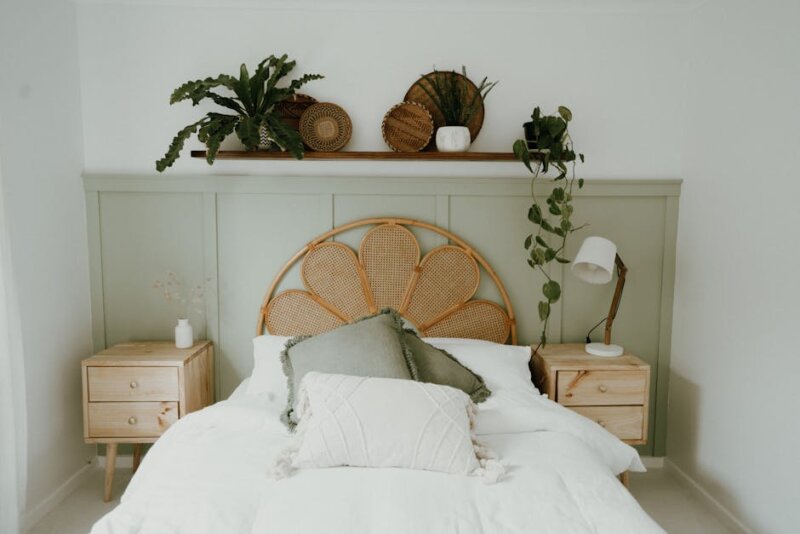
The bedroom benefits from adaptive lighting by simulating sunrise to wake you gently in the morning, and soft, warm tones in the evening to promote a restful atmosphere.
How to Start Your Adaptive Lighting Journey
Getting started with adaptive lighting might seem daunting, but it’s simpler than it appears. Begin by identifying the key areas in your home where adaptive lighting would make the most impact—perhaps the rooms where you spend the most time or where lighting needs fluctuate frequently.
- Start Small: Replace existing bulbs with smart bulbs in a single room to experiment with settings and automations before expanding to other areas.
- Leverage Existing Devices: Use compatible devices you already own, such as smart speakers or hubs, to control your lighting system.
- Explore Automation: Use presets and scenes to automate lighting changes based on daily routines, creating a seamless and hands-off experience.
By thoughtfully integrating adaptive lighting into your home, you enhance the functionality and enjoyment of your living spaces, making every moment more vibrant and personalized.
Practical Takeaway for Lighting Enthusiasts
The evolution of adaptive lighting is transforming homes into dynamic environments that cater to your every need, from morning to night. By embracing this technology, you’re not just investing in energy savings and convenience—you’re crafting a personalized atmosphere that enriches your home life. So, take the plunge and let your lights do the talking, adapting to every nuance of your lifestyle in 2026.