Understanding the Basics of Smart Lighting
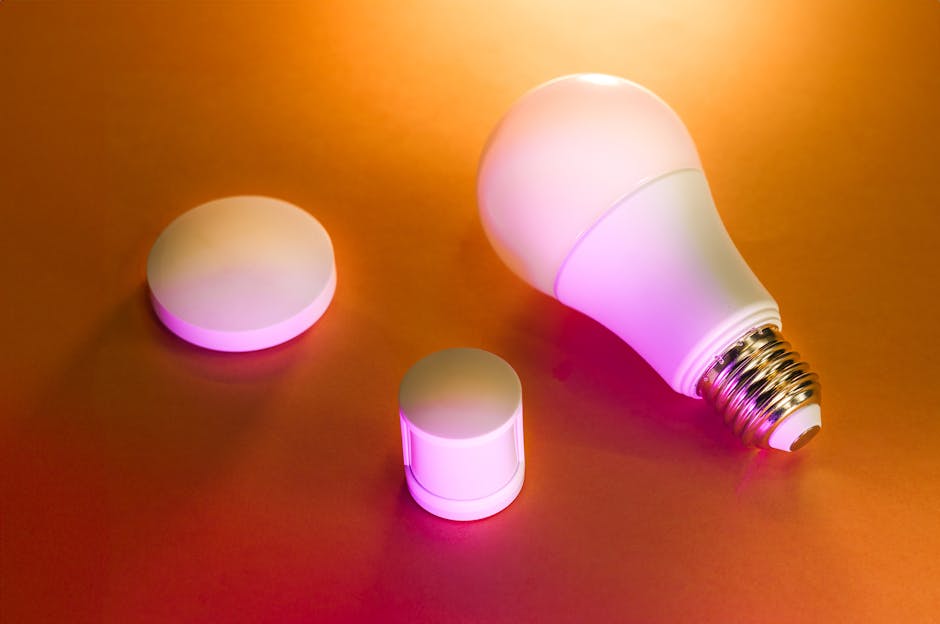
In 2026, lighting is more than just a way to brighten a room—it’s a central feature in home design that can transform a space’s ambiance and functionality. Smart lighting systems have become more advanced and accessible, enabling homeowners to control brightness, color, and even mood with a simple voice command or smartphone app. If you’re new to the world of smart lighting, start with basic products like smart bulbs from brands such as Philips Hue or LIFX, which are designed to be user-friendly and compatible with most smart home ecosystems.
Why 2026 is the Year of Lighting Innovation
This year marks a significant shift in how we perceive and utilize lighting within our homes. The integration of AI technology into smart lighting systems allows for personalized lighting experiences that adapt to our daily routines. For instance, adaptive lighting can simulate natural light patterns, boosting productivity during work hours and promoting relaxation in the evening. Additionally, with sustainability at the forefront, many new lighting products are designed to be highly energy-efficient, reducing electricity consumption by up to 60% compared to traditional lighting systems.
Creating Mood with Color and Intensity
One of the most exciting developments in smart lighting is the ability to tailor the atmosphere of a room through color and intensity. By adjusting these settings, you can create a dynamic environment that complements any activity. For a dinner party, consider using warm, soft lighting to foster a cozy, intimate setting. On the other hand, a bright, cool light can invigorate spaces like a home gym or office. Recent products on the market also offer color palettes that range from calming pastels to vibrant hues, giving you the creative freedom to match your lighting with your decor.
Seamless Integration with Smart Home Ecosystems
Thanks to advancements in technology, smart lighting systems now seamlessly integrate with other smart home devices, such as thermostats, security systems, and voice assistants. This interconnectedness allows for comprehensive control over your home’s environment. Imagine waking up to a gradual increase in lighting intensity, synchronized with your smart thermostat warming up your bedroom and your preferred morning playlist fading in. Brands like Google Nest and Amazon Alexa continue to expand their compatibility, making it easier than ever to create a harmonious smart home ecosystem.
Practical Tips for Implementing Smart Lighting
To get started with smart lighting, assess the needs and functions of each room in your home. For living areas, focus on flexibility—install dimmable smart bulbs or smart switches that can be easily adjusted depending on the activity. In workspaces, opt for lighting that reduces glare and enhances focus, such as task-specific LED strips. Bedrooms can benefit from smart lamps that mimic sunrise to help regulate your circadian rhythm. Consider starting with one room and gradually expanding as you become more comfortable with the technology.
Embracing Future Innovations
Looking forward, the future of home lighting promises even more innovative solutions, including advanced voice recognition, gesture controls, and lighting that responds to biometric data like heart rate and stress levels. Staying updated on these trends will ensure that your home remains at the cutting edge of smart technology. As the landscape of home lighting continues to evolve, embracing these innovations will not only enhance your living space but also offer new opportunities for personalization and energy savings.
In summary, the home lighting revolution of 2026 brings forth exciting opportunities to redefine how we interact with our living spaces. By integrating smart lighting solutions, homeowners can enjoy a more personalized, efficient, and aesthetically pleasing environment.