As we move further into the future, the fusion of functionality and aesthetics in home design continues to evolve. In 2026, one of the most exciting trends is the focus on soundscapes—creating personalized acoustic experiences within our living spaces. While visual design often takes center stage, auditory elements significantly influence how we feel in our homes. From high-tech sound systems to natural acoustics, this comprehensive guide explores how to transform your home into an auditory haven.
Understanding Acoustic Design
Before diving into the ways you can customize the sound environment of your home, it’s essential to understand what acoustic design entails. Essentially, it’s the science of managing sound to achieve desired effects within a space. This involves everything from reducing noise pollution to enhancing the quality of sounds you want to hear. The benefits are profound, impacting everything from your mood to your concentration and even your sleep quality.
Why Your Home’s Sound Matters
Households are now increasingly aware of the potential of acoustics. In urban areas like New York or San Francisco, where external noise is a constant battle, a well-designed acoustic space can be a sanctuary. Not only does it enhance your listening experience for music or movies, but it also improves daily routines. Imagine a living room that feels like a concert hall or a relaxing bedroom that isolates you from the city’s hustle and bustle.
Integrating Technology: The Future of Sound

The technology available today allows for incredible flexibility in customizing home soundscapes. Smart speakers and wireless sound systems have become staples, but the innovation doesn’t stop there. In 2026, sound-absorbing panels can be disguised as artwork, blending seamlessly with your decor. Companies like Sonos and Bose offer systems that can be controlled with a simple voice command, adjusting sound levels, balance, and even channeling specific types of audio to certain rooms. Imagine waking up to a gentle stream of nature sounds in your bedroom, transitioning to upbeat tunes in the kitchen as you prepare breakfast.
Embracing Natural Acoustics
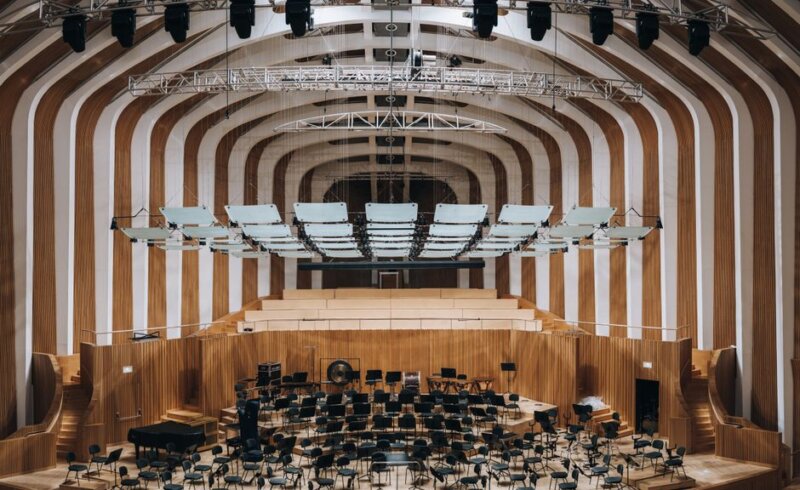
Technology isn’t the only player in the acoustic game. Natural acoustics offer a timeless solution to enhance your home environment. Materials such as wood, cork, and bamboo not only contribute to a cozy aesthetic but also excel at sound absorption. Consider installing wooden panels or a cork feature wall to dampen echoes and enhance sound quality. Additionally, strategically placing plants around your home can help absorb sound, introducing a subtle layer of tranquility through nature’s influence.
DIY Acoustic Improvements
- Soundproof Curtains: These heavy, multi-layered drapes are perfect for blocking out unwanted noise, especially in urban apartments.
- Rugs and Carpets: Soft furnishings like plush rugs can significantly reduce footstep echoes and improve sound absorption.
- Furniture Placement: Rearrange your furniture to break up sound paths. Bookshelves filled with books can act as excellent sound barriers.
- Acoustic Panels: Installing DIY acoustic panels made from materials like rock wool can be a weekend project with a big payoff.
The Psychological Impact of Soundscapes
Sound has a profound psychological impact on our everyday lives, affecting our emotions and mental state. A well-curated sound environment can enhance relaxation, creativity, and focus. Studies have shown that certain sound patterns can reduce stress levels and improve cognitive performance. So, curating a soundscape that aligns with your lifestyle can not only improve your home experience but also elevate your overall well-being.
Ultimately, creating a custom acoustic design in your home is about finding balance. It’s about integrating the latest technology with natural materials to enhance your personal comfort and elevate your home experience. As you embark on this journey, remember that soundscapes are as unique as the people who create them, offering a canvas for personalization and innovation.
Practical Takeaway: Start by identifying the key sound challenges in your space. Whether it’s external noise or poor audio quality, address these issues with a blend of technological solutions and natural materials. With a thoughtful approach, you can craft a home soundscape that resonates with every aspect of your lifestyle.