The Rise of Mindful Gardening
Gardening has always been a cherished pastime, but in 2026, it has taken on a new dimension. With the growing recognition of mental health’s importance, more people are turning to mindful gardening as a way to find peace and tranquility amidst the chaos of modern life. Mindful gardening isn’t just about growing plants; it’s about cultivating a serene space that nurtures both the body and soul.
Creating Your Mindful Garden
So, how do you transform an ordinary garden into a mindful oasis? Start by choosing a space that feels inherently calming. Whether it’s a corner of your backyard or a small balcony, the key is to make the most of the space you have. Consider incorporating elements like a water feature, which can add a soothing auditory component. The gentle sound of trickling water can help mask city noises and promote a sense of seclusion.
Choosing the Right Plants
The plants you choose can greatly influence the atmosphere of your garden. Look for plants with calming properties or those that engage the senses. Lavender, with its soothing scent and beautiful purple hues, is a popular choice. Chamomile, known for its calming effects, can double as a delightful tea ingredient. Consider also the Japanese Maple, whose delicate leaves offer vibrant colors and a serene aesthetic, perfect for a mindful space.
The Art of Slow Gardening
In today’s fast-paced world, slow gardening is a revolutionary concept. It encourages us to take our time and savor each moment spent in the garden. This might mean spending a few extra minutes appreciating the texture of a leaf or the intricate patterns of a flower. By slowing down, you foster a deeper connection with nature, which is at the heart of mindful gardening.
- Daily Rituals: Establishing a routine can enhance the mindfulness experience. Whether it’s watering your plants every morning or meditating in your garden at sunset, these rituals can provide structure and peace.
- Mindful Weeding: Even the task of weeding can be meditative. Focus on the task at hand, pulling weeds with intent and mindfulness, transforming a chore into a calming practice.
Engaging All the Senses
A mindful garden should be a feast for the senses. Incorporate elements that engage touch, smell, sight, and sound. Soft, textured plants, fragrant flowers, and vibrant colors can all enhance the sensory experience. If possible, include something edible like mint or basil, so you can taste the fruits of your labor, literally.
Consider adding a simple wind chime or bird feeder to attract wildlife, further enhancing the auditory elements of your garden. The rustle of leaves in the breeze or the chirping of birds can create a natural symphony that soothes the mind.
Mindful Gardening in Small Spaces
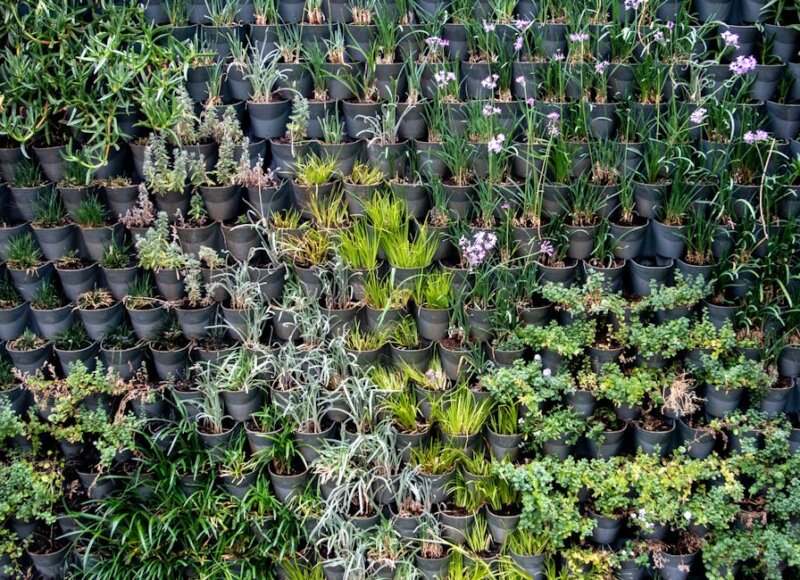
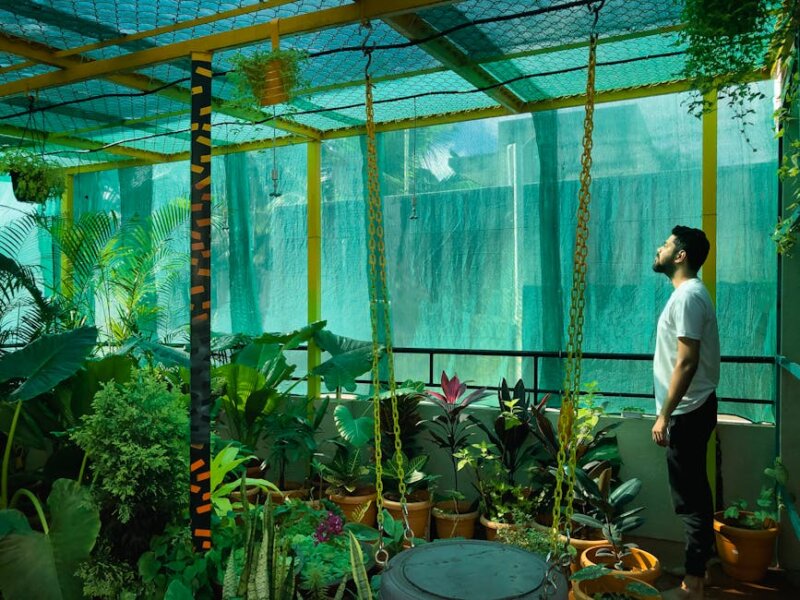
Not everyone has a sprawling backyard, but even small spaces can be transformed into mindful retreats. Vertical gardens and container planting are excellent solutions for balconies or small patios. Utilize walls or hanging pots to maximize space, allowing you to enjoy the benefits of mindful gardening no matter the size of your living area.
Urban dwellers can also consider community gardens, which provide a shared space to practice mindfulness and connect with others who share your interests. These spaces often become communal sanctuaries, where the act of gardening fosters not only personal peace but social harmony.
Takeaway: As we navigate the complexities of 2026, creating a mindful garden offers more than just aesthetic rewards. It’s a practical way to nurture mental wellness and find solace in the simple act of caring for plants. Whether you have a sprawling garden or a modest balcony, the principles of mindful gardening can transform your space and your state of mind.