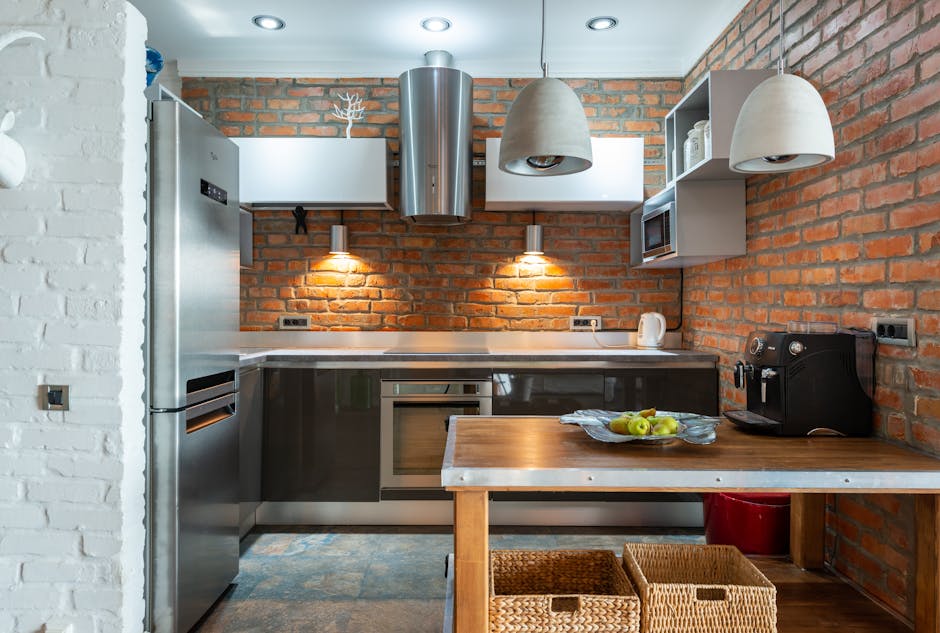
Embrace the Holistic Kitchen

The concept of a wellness kitchen is not just a fad; it’s a revolution. As we navigate through 2026, kitchens are being transformed into sanctuaries of health and well-being, where functionality meets mindfulness. These spaces are more than just cooking areas; they’re designed to nourish both body and soul. From the layout to the appliances, every element is carefully curated to promote a healthy lifestyle. Let’s delve into how you can transform your kitchen into a wellness haven.
Thoughtful Layout and Flow
A harmonious kitchen starts with a thoughtful layout. Consider the flow of the space. The kitchen work triangle—sink, stove, and refrigerator—remains a staple for efficiency, but with a twist. In 2026, we’re seeing a shift towards open, airy designs that encourage movement and interaction. The key is accessibility. Keep frequently used items within arm’s reach to minimize clutter and stress. Incorporate an island if space permits, as it invites communal cooking and adds a social element to meal prep.
Healthy Materials and Sustainable Choices
Sustainability is no longer optional; it’s essential. Opt for eco-friendly materials like bamboo countertops, FSC-certified wood cabinets, and recycled glass tiles. These choices not only reduce the kitchen’s carbon footprint but also create a healthier indoor environment. VOC-free paints and finishes are a must, ensuring the air you breathe while cooking remains clean and fresh. Natural lighting is another crucial element—maximize it with skylights or large windows to create an uplifting atmosphere.
Smart Appliances for Mindful Eating
Incorporating smart technology can significantly enhance your wellness kitchen. Smart fridges with inventory management systems help you keep track of fresh produce, reducing waste. Induction cooktops, which are more energy-efficient and safer than traditional gas stoves, are gaining popularity. The latest food processors and blenders come with health-focused presets that encourage whole-food cooking. These appliances not only make cooking easier but also promote healthier eating habits.
The Power of Herbal Gardens
No wellness kitchen is complete without a touch of green. Indoor herbal gardens have become a staple in modern kitchens. Not only do they provide fresh herbs for cooking, but they also purify the air and bring a slice of nature into the home. Vertical gardens or small potted herbs on the windowsill are perfect for any space. Consider growing basil, mint, or rosemary, which are easy to maintain and add a burst of flavor to your dishes.
Creating a Zen Cooking Environment
Cooking should be a therapeutic experience. To achieve this, focus on creating a serene environment. Soft, neutral color palettes help calm the mind, while gentle lighting, such as under-cabinet LEDs, sets a tranquil mood. Integrate elements of nature with stone or wood textures. Add a sound system to play calming music or nature sounds while you cook. These elements combine to create a kitchen that is not just a place for preparing food, but a retreat for relaxation and rejuvenation.
As you design your wellness kitchen, remember that it’s about creating a space that supports well-being. With a thoughtful layout, sustainable materials, smart appliances, and a touch of nature, your kitchen can become a haven for health and harmony. Embrace the changes, and your kitchen will become a place where both meals and memories are made.