Introduction to the Home-School Trend

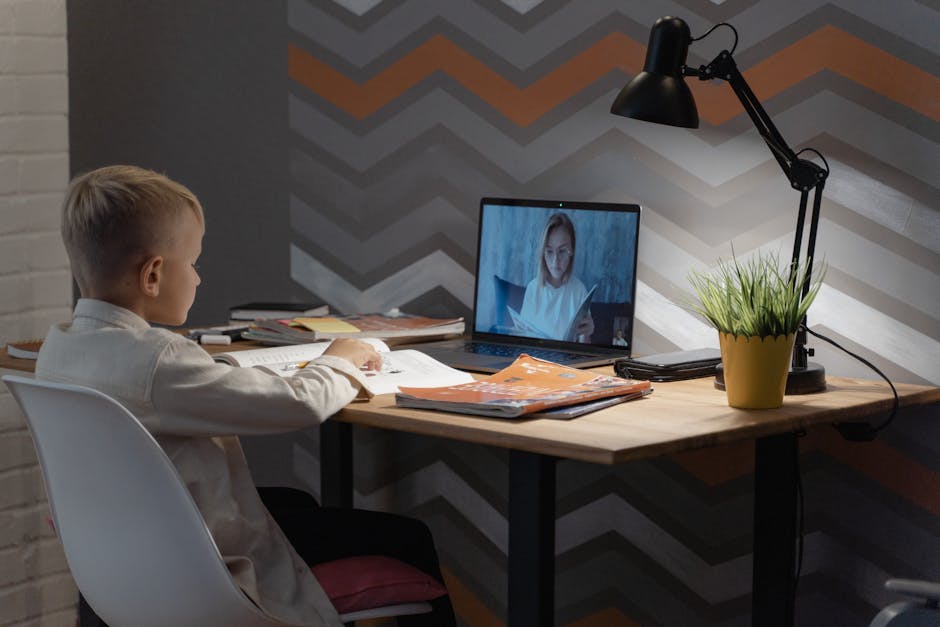
The year 2026 has brought more than just technological advancements; it’s seen a significant shift in how families approach education. With more parents choosing to home-school, the demand for dedicated learning spaces within the home has surged. This trend isn’t just about setting up a desk and chair; it’s about creating an environment that fosters creativity, focus, and a love for learning. Let’s delve into how you can transform your home into an inspiring educational haven.
Creating Dedicated Learning Zones
Defining the Space: Start by identifying areas in your home that can serve as dedicated learning zones. Whether it’s a spare room, a corner in the living room, or even an outdoor space, the goal is to create a clear distinction between learning and leisure. This separation helps students focus and signals when it’s time to switch from study mode to relaxation.
The Multisensory Approach: Incorporate elements that engage multiple senses. Use bright colors to stimulate visual interest and tactile materials like corkboard or felt for interactive learning. Consider a small fountain or sound machine to provide gentle background noise, which can help with concentration.
Incorporating Innovative Learning Tools
High-Tech Gadgets: The market for educational technology has exploded. Equip your space with smart devices like interactive whiteboards and AI-powered tutors that can offer personalized learning experiences. These tools adapt to the learning pace and style of your child, making them invaluable in a home-school setting.
Old Meets New: While tech is crucial, don’t underestimate the power of traditional tools. Stock up on classic resources like books, puzzles, and art supplies. These items encourage hands-on learning and creativity, balancing screen time with physical activity.
Designing for Flexibility and Adaptability
Modular Furniture: Choose furniture that can adapt to various activities. Desks with adjustable heights, chairs that swivel and roll, and tables that fold away can transform a space quickly. This flexibility is essential for accommodating different subjects and activities throughout the day.
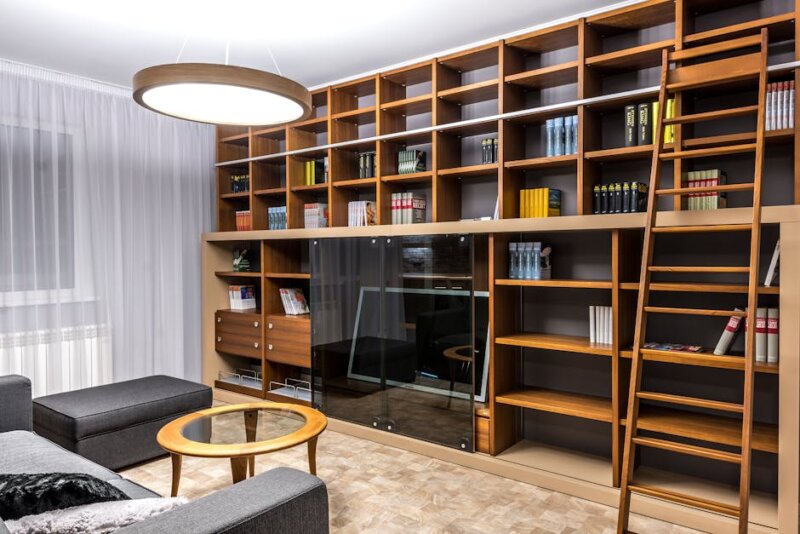
Storage Solutions: A clutter-free environment enhances focus. Use storage solutions like shelves with labeled bins or rolling carts that can be easily moved around. Teach children organizational skills by involving them in the process of sorting and storing their materials.
Encouraging Outdoor Learning
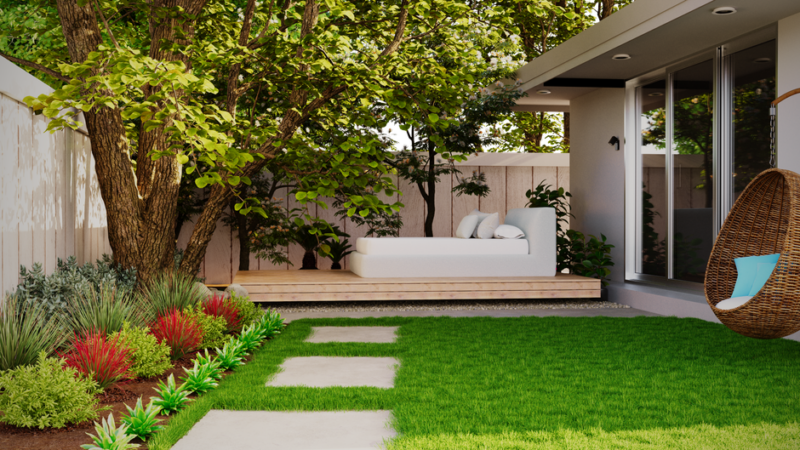
Nature as a Classroom: Don’t confine learning to the indoors. Utilize your backyard or local parks to teach science, art, and even physical education. Gardens can serve as excellent biology labs, while a simple nature walk can ignite curiosity about the natural world.
Outdoor Equipment: Invest in weatherproof furniture and portable equipment like easels or whiteboards that can be used outside. This encourages kids to see the world as their classroom and keeps their curiosity piqued.
Creating a Supportive Environment
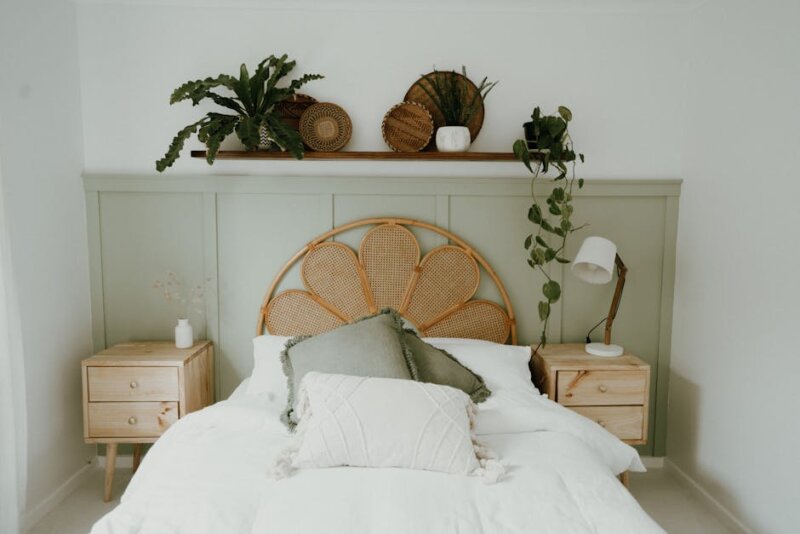
Emotional Well-being: Learning is not just about academics; it’s also about emotional growth. Design a cozy nook with bean bags or floor cushions where children can take breaks or have quiet time to reflect and recharge.
Parental Involvement: Your role as a guide is crucial. Create a station for yourself with resources and a calendar to plan activities. Your engagement will reinforce the importance of education and provide the support your child needs to thrive.
Practical Takeaway
Home-schooling in 2026 is about more than just the curriculum; it’s about creating an environment that nurtures every aspect of a child’s development. By designing spaces that are versatile, engaging, and supportive, you’re setting the stage for a rich educational experience. So, take the leap and transform your home into a world of learning and creativity, one corner at a time.