The Rise of Interactive Workouts
In 2026, the home gym is undergoing a transformative shift. No longer confined to static equipment and solitary workouts, today’s fitness enthusiast is embracing an interactive gym experience. Imagine engaging with virtual trainers while your exercise bike adjusts resistance based on your preferences. This dynamic approach not only caters to fitness goals but also proposes a more personal, immersive experience. Companies like Peloton and Tonal have set the stage with connected equipment, but the future of home workouts now lies in fully responsive environments that adapt to individual needs.
Smart Equipment to Suit Every Need
The new wave of smart fitness equipment is designed to make exercise both effective and enjoyable. Picture this: a treadmill that learns your running style, adjusting speed and incline automatically to challenge you just enough without overexertion. Brands like Mirror and Tempo are now embedding AI technology to offer real-time feedback and personalized coaching. Highlighting user progress and providing encouragement, this technology ensures that workouts remain both engaging and efficient. Fitness goals can now be met with precision, thanks to data-driven insights and adaptability.
Creating a Multi-Sensory Workout Environment
A key trend in 2026 is the creation of immersive environments that stimulate multiple senses. Beyond the standard music playlist, your workout room might include adjustable lighting that syncs with your heart rate, releasing calming shades when cooling down or energizing hues when pushing through a tough session. Aromatherapy dispensers can release invigorating scents like citrus to enhance focus, while subwoofers in the floor ensure you feel every beat of your workout playlist. Such sensory enhancements turn exercising into a holistic experience that benefits both physical and mental health.
Virtual Reality Takes Center Stage
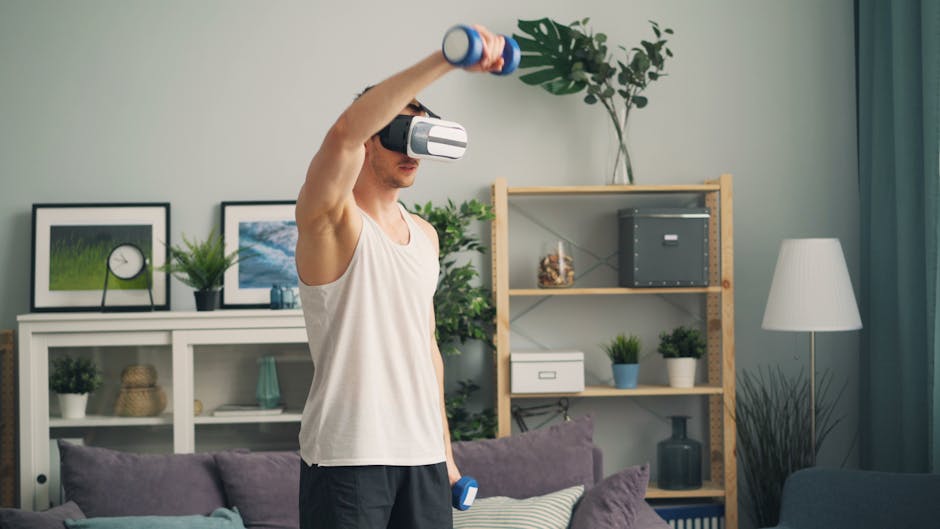
Virtual reality (VR) is no longer just for gaming. In 2026, it’s taking the fitness world by storm. With the help of VR headsets, users can find themselves climbing virtual mountains, cycling through scenic routes in Europe, or practicing yoga with a digital instructor on a beach in Bali—all from the comfort of their home. These virtual workouts are designed to break the monotony and transport users to inspiring locations, providing a significant motivational boost. Companies like Oculus and Holodia are leading this charge, ensuring that each session is as engaging as it is effective.
The Social Aspect of Home Fitness
While home fitness has traditionally been a solo endeavor, 2026 brings with it a community-driven approach. Interactive platforms now allow users to participate in live classes with friends or compete in challenges with people across the globe. This connectivity fosters a sense of belonging and accountability, inspiring participants to stay committed to their fitness journeys. Apps like Strava and Zwift continue to evolve, offering leaderboards, group challenges, and personalized coaching to keep motivation high.
Practical Takeaway: Craft Your Interactive Gym
As you ponder how to integrate these developments into your own home, consider your personal fitness goals and preferences. Start by investing in a piece of smart equipment that aligns with your favorite workout style. Gradually enhance your environment with sensory elements like adjustable lighting or immersive sound systems. Explore virtual classes or community challenges to keep your routine fresh. The interactive home gym is about creating a space that both excites and supports you—making each workout a step toward a healthier, happier you.