The Rise of the Green Bedroom

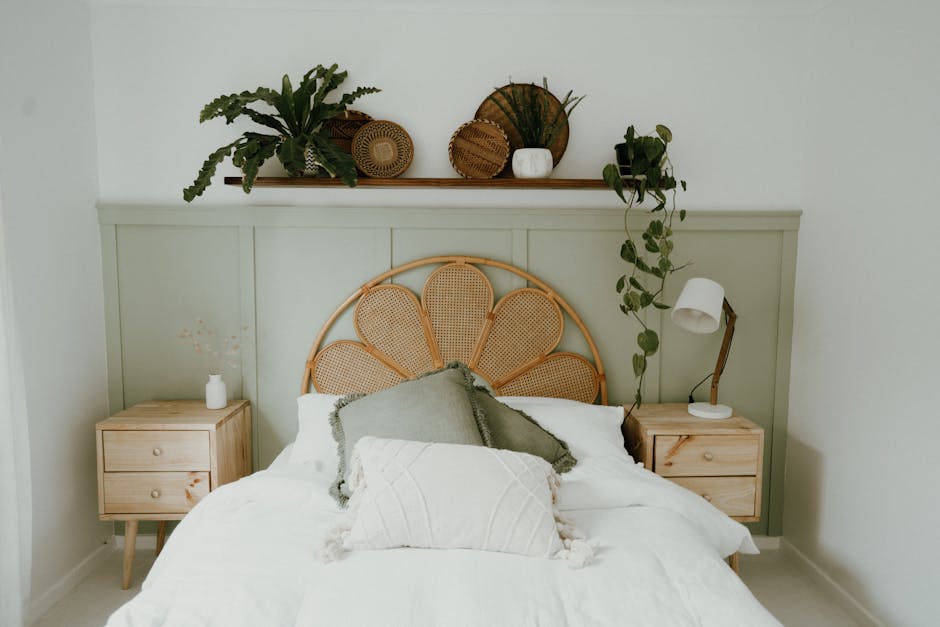
As we edge further into 2026, more homeowners are choosing to embrace sustainability in every corner of their lives, including where they sleep. The idea of an eco-friendly bedroom isn’t just about adding a few potted plants. It’s a holistic approach that includes everything from sustainable materials to energy efficiency.
This trend didn’t appear out of nowhere—it’s a response to increasing awareness about climate change and the desire to live as sustainably as possible. A green bedroom is not only better for the environment, but it also promotes a healthier, more restful sleep environment for you.
Materials Matter: Choosing Sustainable Textiles and Furniture
One of the simplest ways to make your bedroom more eco-friendly is by choosing sustainable textiles and furniture. Opt for organic cotton bedding, which eliminates the use of harmful pesticides, or linen, which is both durable and sustainably produced. Bamboo sheets are another great choice due to their rapid renewability and softness.
For furniture, look for pieces made from reclaimed wood or certified by the Forest Stewardship Council (FSC). Companies like Emeco and West Elm offer a range of sustainable options that are both stylish and environmentally friendly. Remember, buying second-hand is also a sustainable option that adds a unique character to your space.
The Power of Paint: Low-VOC and Natural Alternatives
The color of your bedroom walls can significantly affect your mood and sleep quality, but the type of paint you choose can impact your indoor air quality. Traditional paints often contain volatile organic compounds (VOCs) that release toxins into the air. In 2026, brands like ECOS Paints and Clare offer low-VOC or even VOC-free options that keep your bedroom air safe to breathe.
For a truly natural option, consider clay-based paints or milk paints. These alternatives are chemical-free and offer a matte, earthy finish, perfect for creating a serene, calming environment.
Smart Energy Solutions: Lighting and Temperature Control
Proper lighting and temperature control are crucial for a good night’s sleep and can be optimized for sustainability. Install LED bulbs, which use significantly less energy and last longer than traditional bulbs. If you want to go a step further, smart lighting systems like Philips Hue allow you to adjust the brightness and color temperature to suit your mood and reduce energy waste.

Temperature control is another area to consider. Smart thermostats, such as Nest or Ecobee, can learn your schedule and preferences to efficiently manage energy use, ensuring your bedroom is always at the perfect temperature without waste.
Indoor Air Quality: Purifying for Health and Harmony
A key aspect of an eco-friendly bedroom is maintaining excellent indoor air quality. Air purifiers with HEPA filters, like those from Dyson or Blueair, can help reduce allergens and toxins. Additionally, incorporating air-purifying plants like snake plants, peace lilies, or aloe vera can naturally enhance air quality.
Ventilation is another factor to consider. If possible, open your windows during the day to let in fresh air, or use fans to circulate the air and keep your bedroom feeling fresh.
Practical Takeaway: Creating Your Sustainable Sleep Sanctuary
Crafting an eco-friendly bedroom in 2026 is about making choices that contribute to a healthier planet and a healthier you. By selecting sustainable materials, improving energy efficiency, and enhancing air quality, you create a space that is both inviting and environmentally conscious.
Start small by swapping out your bedding or paint, or go big by investing in smart technology and sustainable furniture. Whatever you choose, the key is to create a bedroom that aligns with your values and promotes restful sleep. After all, a good night’s sleep is invaluable, and knowing you’re doing your part for the planet makes it even sweeter.