The Magic Behind Self-Cleaning Technology
Imagine a world where your home maintains itself, leaving you with more time for leisure and creativity. In 2026, this is no longer a distant dream but a burgeoning reality. Thanks to advances in nanotechnology, robotic automation, and smart home integration, self-cleaning homes are rapidly becoming mainstream. The secret lies in the seamless integration of these technologies, making it possible for your living space to clean and organize itself with minimal human intervention.
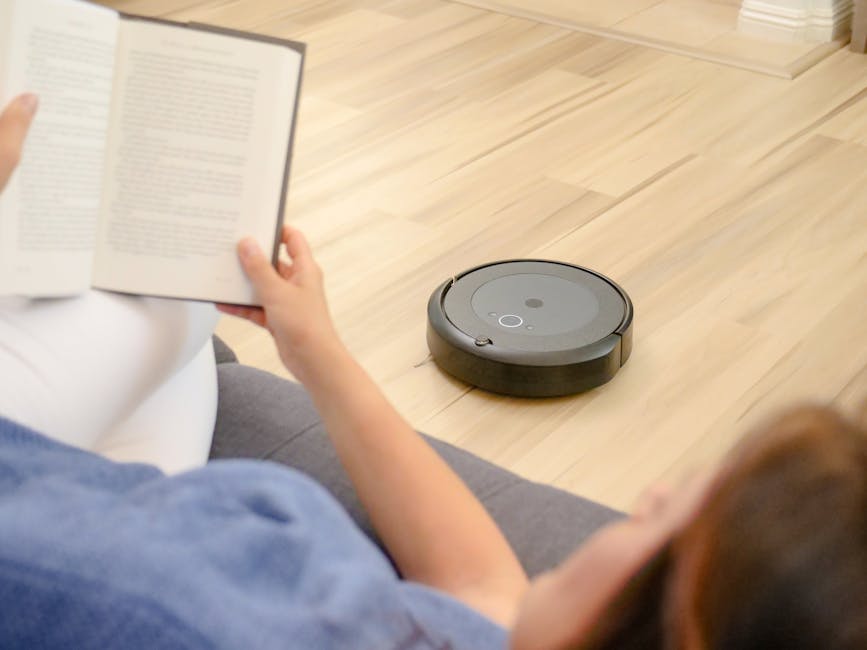
Manufacturers have developed nano-coatings that repel dust and grime, while robotic vacuums and window cleaners have become more intelligent and efficient. Companies like iRobot and Dyson are leading the charge, releasing robots that map your home and understand cleaning patterns, ensuring no nook or cranny is left untouched.
Smart Kitchens: The Culinary Clean-Up Crew
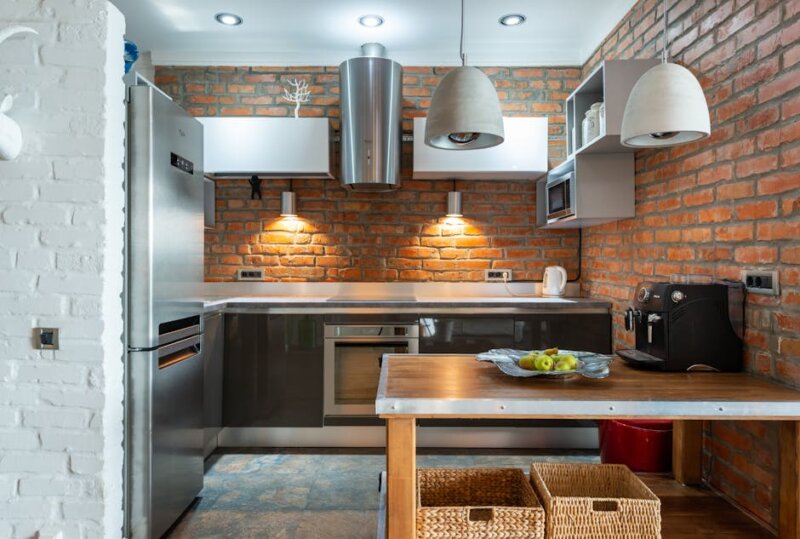
The kitchen, often the heart of the home, benefits greatly from self-cleaning innovations. Self-cleaning ovens have been around for a while, but 2026 brings more sophisticated solutions. Imagine countertops that resist stains, require no scrubbing, and even sanitize themselves. Smart dishwashers that adjust water usage based on load size and type, while notifying you when they need maintenance, are now a common feature in modern homes.
- Hydrophobic Surfaces: These are everywhere in the 2026 kitchen. From countertops to cabinet doors, hydrophobic treatments prevent water and oils from adhering, making spills and splashes a breeze to wipe away.
- Robotic Sous-Chefs: Beyond cleaning, robots assist with meal prep. Devices from companies like Moley Robotics have become indispensable, handling everything from chopping to stirring, then tidying up their mess.
The Bathroom of the Future: Cleanliness Meets Convenience
Bathrooms have never been easier to maintain. With self-cleaning toilets and tiles, homeowners can say goodbye to weekly scrubbing. Smart toilets equipped with UV lights and antimicrobial surfaces reduce the need for harsh chemicals, while bathroom tiles with self-cleaning coatings break down grime and mold on a molecular level.
- Automated Shower Systems: These showers not only adjust water temperature and flow but also clean themselves after every use. Sensors detect soiling and deploy a non-toxic cleaning solution followed by a rinse cycle.
- Fog-Free Mirrors: Thanks to nanotechnology, bathroom mirrors stay clear and free from condensation, reducing the frequency of cleaning.
Living Areas: From Dusty to Dazzling
Living rooms and bedrooms benefit significantly from self-cleaning innovations. Advanced HVAC systems equipped with air purification technology keep dust and pollutants at bay. These systems use HEPA filters and ionizing technology that capture particles as small as 0.3 microns, ensuring the air you breathe is clean and healthy.
- Intelligent Vacuum Systems: Robotics companies have developed vacuums with advanced sensors and AI learning capabilities. They adapt to your home’s layout, recognizing obstacles and optimizing cleaning routes, making manual vacuuming a thing of the past.
- Self-Cleaning Textiles: Curtains and upholstery now come with nano-coatings that repel dirt and stains, minimizing the need for frequent washing.
Embracing Self-Cleaning Tech: Tips for Transitioning
Transitioning to a self-cleaning home requires some initial investment and a willingness to embrace technology. Here are some practical steps to ease the transition:
- Start Small: Consider integrating one or two self-cleaning devices into your home, like a robotic vacuum or a smart dishwasher, to test the waters.
- Research Products: Read reviews, compare features, and choose products that best meet your needs and budget.
- Integrate Smart Systems: Use smart home hubs to unify your devices. Platforms like Google Home or Amazon Alexa can help you control everything from a single interface.
- Stay Informed: As technology evolves, staying updated on the latest innovations ensures your home remains at the forefront of convenience and efficiency.
Self-cleaning homes are more than just a trend; they are a testament to how far technology has come in enhancing our daily lives. As we navigate through 2026, it’s exciting to see how these innovations will continue to transform our living spaces, making them not only smarter but also more sustainable and enjoyable.