What is Biophilic Design?

Biophilic design, a term that’s been gaining momentum in 2026, taps into our innate desire to connect with nature. Derived from the Greek word ‘biophilia’, meaning ‘love of life’, this design philosophy integrates elements of the natural world into indoor environments. It’s not just about adding a few potted plants to your living room; it’s an intentional approach to architecture and interior design that seeks to bring the outdoors in and create spaces that nurture well-being.
The Science Behind Biophilia
Research has consistently shown that exposure to nature can reduce stress, enhance creativity, and even boost immune function. A study by Harvard’s Center for Health and the Global Environment revealed that environments rich in natural elements improve cognitive function by up to 15%. In 2026, more homeowners are leaning into these benefits, creating spaces that foster a sense of tranquility and mental clarity.
Key Elements of Biophilic Design
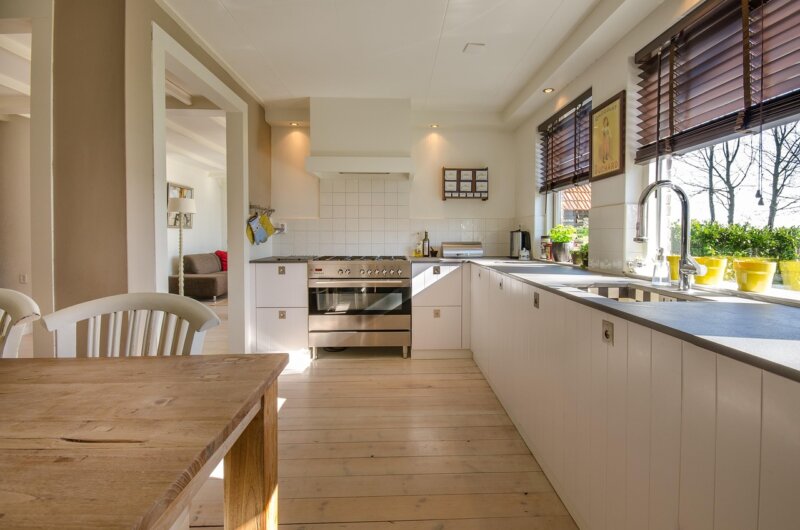
- Natural Light: Maximizing natural light is fundamental. Large windows, skylights, and open layouts help to flood interiors with sunlight, reducing the need for artificial lighting and enhancing mood and productivity.
- Indoor Plants: Incorporating greenery is more than aesthetic; plants like Boston ferns and peace lilies purify air, improve acoustics, and provide a calming presence.
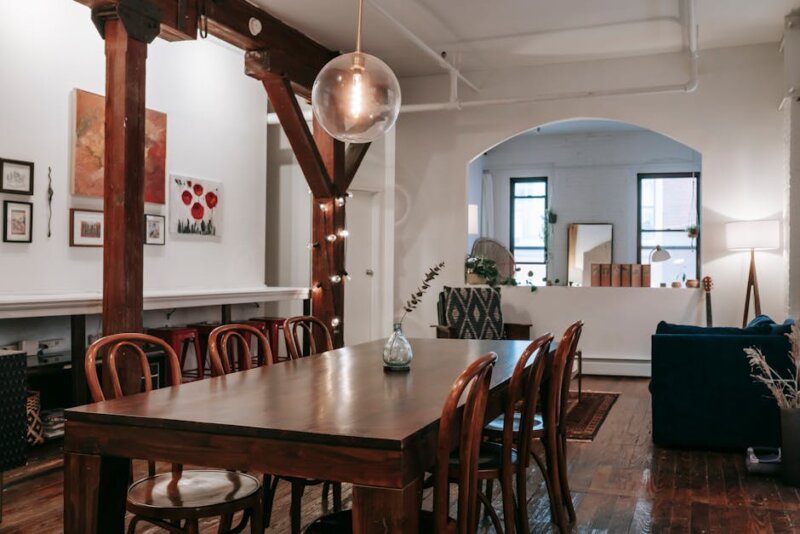
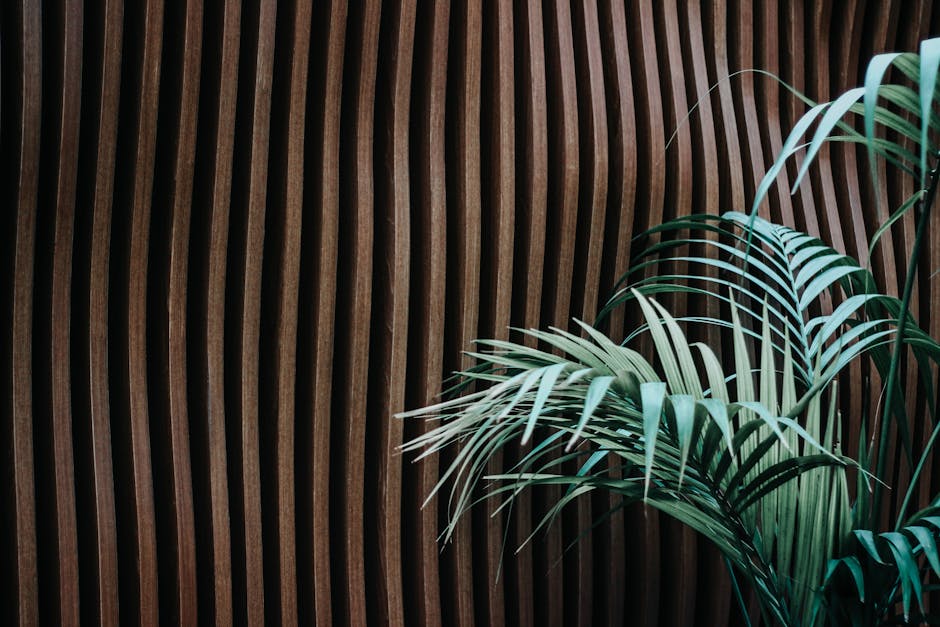
- Natural Materials: Wood, stone, and bamboo are popular choices that add texture and warmth. Reclaimed wood features prominently, offering sustainability and character.
- Water Features: The soothing sounds of water through fountains or indoor ponds can create a serene atmosphere, offering auditory and visual pleasure.
- Natural Patterns and Colors: Earthy tones and organic patterns mimic the natural world, fostering a relaxing and harmonizing effect.
Real-life Examples of Biophilic Spaces
One shining example is the Eden Project in the UK, a living classroom of biophilic design. Closer to home, the Amazon Spheres in Seattle offer an inspiring workspace filled with over 40,000 plants. Residential projects are also catching on. In Brooklyn, the Urban Greenhouse apartments feature vertical gardens integrated into their facades, while spaces like L.A.’s Treehouse Studio Apartments provide outdoor terraces and communal garden spaces.
How to Incorporate Biophilic Design in Your Home

Bringing biophilic design into your home doesn’t require a full renovation. Start small:
- Strategic Plant Placement: Add plants in key areas like kitchens and bathrooms, where they can thrive and enhance air quality.
- Create a Green Wall: A vertical garden on a balcony or inside your living room can serve as both an art piece and a functional green space.
- Reimagine Your Layout: Open up spaces to improve the flow of natural light. Consider removing heavy drapery or interior walls that block light.
- Use Natural Materials: Swap synthetic materials for natural ones. Consider wooden furniture or stone counter finishes.
The Future of Biophilic Design
As we move further into 2026, biophilic design continues to evolve. Technology is beginning to play a role, with smart homes integrating systems that monitor air quality and optimize light for plant growth. Architects are exploring new frontiers, such as bio-facades that incorporate living organisms into building exteriors. The future promises even more innovative ways to blend nature with the comforts of modern living.
Practical Takeaway: Embracing biophilic design can transform your living space into a sanctuary. Start today by introducing natural elements and reaping the benefits of a harmonious and rejuvenating home environment.