The Power of Smart Lighting

Lighting has always played a crucial role in creating the right ambiance in our homes, but in 2026, it’s time to take it to the next level with smart lighting solutions. These systems are not just about illuminating a space; they’re about enhancing the mood, improving energy efficiency, and even boosting mental well-being. The integration of technology with traditional lighting systems has opened up a world of possibilities that were unthinkable just a few years ago.
Personalized Lighting Experiences
Imagine walking into a room that knows exactly how you want it to feel. Smart lighting systems now allow you to set personalized lighting scenes that adjust to your mood or activities throughout the day. Using apps or voice control, you can shift from a bright, energizing light in the morning to a warm, relaxing glow in the evening. For instance, the Lutron Caséta system integrates seamlessly with smart assistants and offers customizable scenes. It’s like having a lighting designer in your pocket.
Energy Efficiency in 2026
One of the most compelling reasons to upgrade to smart lighting is energy conservation. In 2026, LED technology has become even more efficient, and when combined with smart controls, it can significantly reduce energy consumption. According to a recent study, homes with smart lighting systems can cut their lighting energy use by up to 70%. This is not only good for your wallet but also for the planet. Plus, smart bulbs like Philips Hue now offer energy reports, so you can track your usage and adjust settings to maximize savings.
Health and Well-being Benefits
Lighting doesn’t just affect our visual experience; it has a profound impact on our health. The human-centric lighting trend is gaining momentum, focusing on light that mimics natural daylight patterns to support our circadian rhythms. Systems like the Healthe SunTrac can be programmed to adjust color temperature and intensity, helping to regulate sleep and wake cycles. This kind of lighting can enhance mood, productivity, and overall well-being.
Integrating with Smart Home Ecosystems
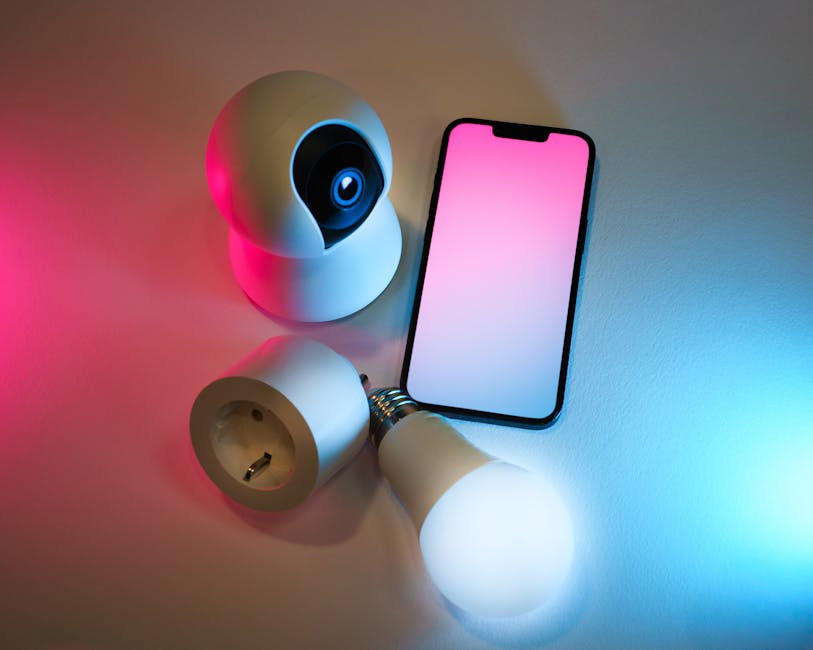
2026 marks the era of seamless smart home integration. Smart lighting systems are now a key component of larger smart home ecosystems, effortlessly syncing with devices like thermostats, security systems, and even smart speakers. Platforms like Google Home and Amazon Alexa make it possible to control every aspect of your home with a simple voice command. Imagine saying, “Alexa, start movie night,” and having your lights dim, the thermostat adjust, and your TV turn on—all at once.
Practical Tips for Upgrading
If you’re ready to dive into the world of smart lighting, here are a few tips to get started:
- Start Small: Begin with one room or a single area. This will allow you to experiment with different settings and find what works best for you.
- Choose the Right Platform: Consider your existing smart home devices and choose a lighting system that integrates smoothly. Compatibility is key for a seamless experience.
- Plan for the Future: Opt for systems that are easily expandable. As your needs grow, you’ll want a lighting setup that can grow with you.
- Think About Security: Some smart lighting systems offer features like occupancy simulation, which can enhance home security by making it look like someone is home when you’re away.
By embracing smart lighting, you’re investing in more than just a trend; you’re enhancing your home for convenience, efficiency, and well-being.