The Rise of Biophilic Design

In 2026, urban living has had to adapt, evolve, and embrace the natural world in surprising ways. Biophilic design, which integrates natural elements into modern architecture and interiors, has taken center stage. This isn’t just about adding a few plants to your living room—it’s a comprehensive approach to design that reconnects us with nature.
The philosophy of biophilic design is rooted in our innate tendency to seek connections with nature. As cities grow denser, our need for green spaces becomes more pronounced. Incorporating natural elements into urban homes offers benefits ranging from improved air quality to enhanced mental well-being.
Bringing the Outside In: Key Elements
- Natural Light: Maximizing daylight exposure is critical. In cities like New York and Tokyo, new architectural trends include expansive windows and skylights to flood interiors with natural light. Mirrors strategically placed opposite windows can also enhance this effect.
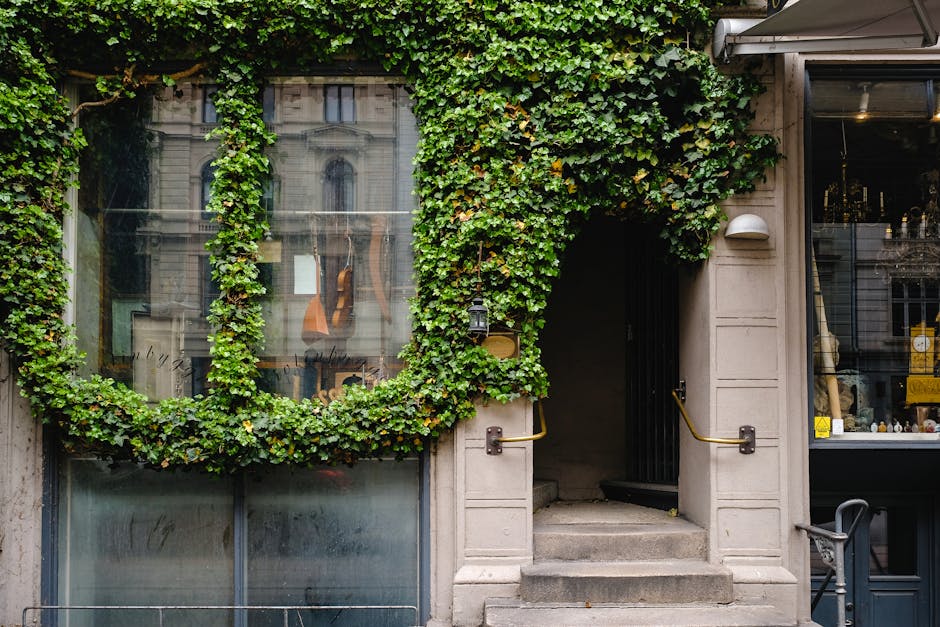
- Indoor Greenery: An indoor garden or even a simple vertical plant wall can transform a space. In London, the latest trend is using bespoke planters with integrated watering systems, ensuring lush, thriving greenery with minimal effort.
- Natural Materials: Wood, stone, and bamboo are not just aesthetically pleasing but also foster a sense of calm and warmth. Scandinavian furniture designers have embraced untreated wood’s raw beauty, crafting pieces with clean lines and organic shapes.
Soundscapes and Scentscapes
Biophilic design isn’t just visual; it engages all the senses. Soundscapes and scentscapes are innovative ways to integrate nature into your home environment.
Soundscapes: Imagine walking into your apartment after a long day, greeted by the gentle sounds of a rainforest or a babbling brook. Sound systems designed to emulate these natural environments are becoming increasingly popular in urban homes. Companies like AtmosNature are leading the charge, creating customizable playlists that transport you to nature’s serenity.
Scentscapes: Scent is a powerful tool in biophilic design. Diffusers using essential oils like pine or lavender can evoke the tranquility of a forest or the freshness of a seaside breeze. Many homeowners are opting for integrated scent systems that gently infuse these aromas into the air, creating a continuous experience.
The Psychological and Physical Benefits
The impact of biophilic design extends beyond aesthetics. Research has shown that exposure to natural elements can reduce stress, increase productivity, and improve overall well-being. A study conducted in 2025 by the University of Melbourne found that incorporating greenery into office spaces increased employee productivity by 15%.
Moreover, living with elements of nature can contribute to physical health. Improved air quality due to indoor plants and better lighting conditions can enhance sleep quality and reduce the risk of respiratory issues.
Practical Tips to Transform Your Space

Making your home a haven of nature doesn’t have to be overwhelming. Here are some practical steps to start your biophilic journey:
- Start Small: Begin with a few potted plants. Snake plants and pothos are great for beginners due to their low maintenance needs.
- Use Natural Textures: Incorporate woven baskets, linen throws, or cork accessories to add layers and interest.
- Create a Focal Point: Choose a wall to transform into a green oasis with a vertical garden or a nature-themed mural.
- Optimize Room Layout: Arrange furniture to maximize natural light exposure and create open, flowing spaces that mimic nature’s expansiveness.
The Future of Urban Living
The trend towards biophilic design in 2026 is more than a fleeting fad—it’s a movement toward sustainable and harmonious living in an increasingly urbanized world. As we continue to grapple with the challenges of city life, the integration of nature into our homes offers a pathway to healthier, happier living environments.
By adopting biophilic design, we not only enhance our immediate surroundings but also foster a deeper connection with the natural world, reminding us of the beauty and balance that exists beyond our urban confines.