Understanding the Heart of Wabi-Sabi

Originating from Japan, Wabi-Sabi is more than just an aesthetic; it’s a philosophy that celebrates the beauty in imperfection and the natural cycle of growth and decay. In 2026, homeowners are increasingly drawn to this concept, seeking comfort in authenticity amid a world of high-tech perfection. It’s about finding balance and appreciating the imperfect, the transient, and the incomplete.
Wabi-Sabi encourages us to see beauty in the mundane—a crack in a ceramic bowl, the weathered wood of an old bench, or the fading color of a once-bright painting. These elements tell a story, adding character and depth to our living spaces.
How to Incorporate Wabi-Sabi into Your Home
- Embrace Natural Materials:
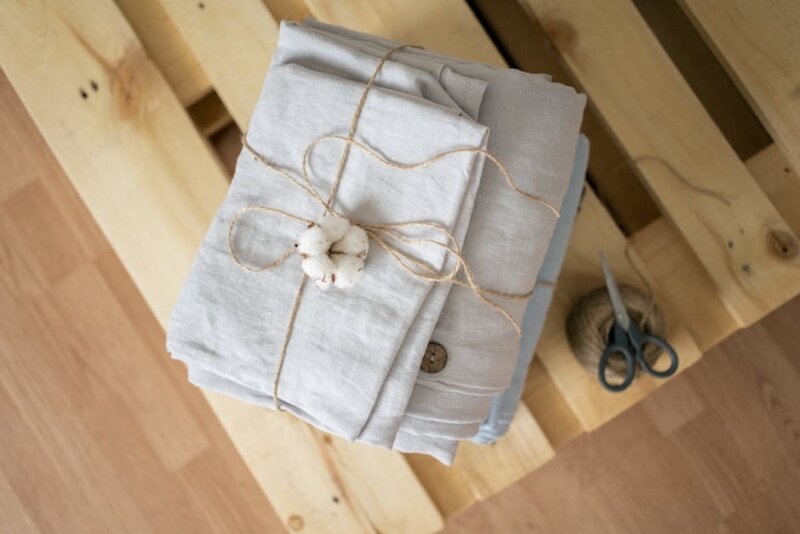
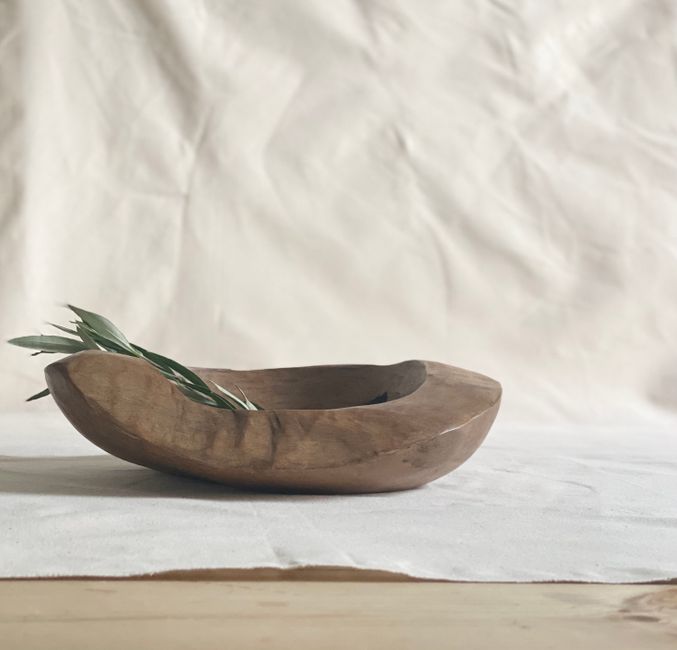
Wood, stone, clay, and textiles in their raw forms are the building blocks of a Wabi-Sabi-inspired home. Think unvarnished wooden tables, stone sculptures with natural imperfections, and linen curtains that drape naturally. Opt for materials that evoke the essence of nature and age gracefully over time.
- Choose Handmade Over Mass-Produced:
Handcrafted items, with their unique quirks and irregularities, embody the Wabi-Sabi principle perfectly. This could be a hand-thrown pottery vase, a woven rug with an uneven pattern, or an artisanal piece of furniture. Not only do they add individuality to your space, but they also support artisans and sustainable practices.
- Keep it Simple:
Wabi-Sabi favors simplicity and functionality over clutter. It’s about creating spaces that are serene and unpretentious. This might mean paring back on decorations, using a neutral color palette, or ensuring that every item in your space serves a purpose or brings joy.
- Celebrate Natural Wear and Tear:
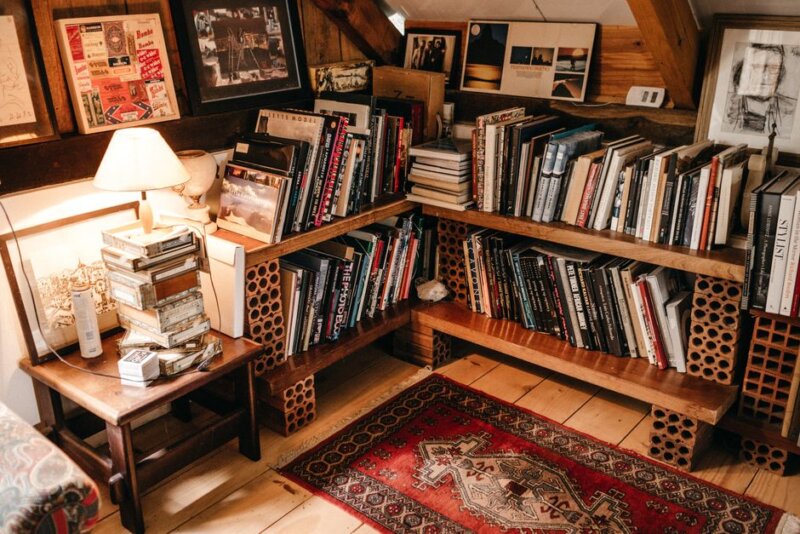
In a Wabi-Sabi home, scratches, dents, and signs of aging are not flaws but features. A scuffed leather couch, a slightly chipped bowl, or a faded quilt can all add to the ambiance, telling a story of use and life.
Famous Examples of Wabi-Sabi
One renowned example is the Kintsugi pottery technique, where broken ceramic pieces are repaired with lacquer mixed with powdered gold, silver, or platinum. This technique highlights cracks instead of hiding them, symbolizing resilience and transformation. Another is the Ryoan-ji rock garden in Kyoto, where simplicity and natural beauty create a space for meditation and reflection. These examples show how imperfection can lead to beauty and harmony.
The Emotional Benefits of a Wabi-Sabi Home

Living in a Wabi-Sabi space can lead to a greater sense of peace and contentment. By accepting imperfections and focusing on the essence of things, we free ourselves from the pressure of constant perfection. It’s a reminder to slow down, breathe, and appreciate the present moment. This approach can significantly reduce stress and enhance overall well-being, making it a perfect antidote to the fast-paced life of 2026.
Practical Takeaway
To bring Wabi-Sabi into your home in 2026, start small. Look for beauty in the things you already own and consider what their imperfections add to your space. Choose one or two areas to simplify and introduce natural materials or handmade items that resonate with you. Remember, it’s not about creating a picture-perfect home but one that reflects your personal journey and values.