The Essence of Biophilic Design in Modern Homes

Biophilic design isn’t just a buzzword; it’s a philosophy that taps into our intrinsic connection to nature. In 2026, this style has evolved beyond simple plant placements to a more immersive integration with the natural world. By incorporating elements that mimic natural settings, we can create homes that are not only aesthetically pleasing but also beneficial for our well-being.
The goal? To create environments that enhance our emotional and physical health by fostering a strong, intentional bond with nature. Here’s how you can bring the outdoors into your living spaces this year.
Natural Light: The Forgotten Element
One of the most significant elements of biophilic design is natural light. It’s not just about having big windows anymore. In 2026, homes are embracing innovative skylights and solar tubes to flood spaces with sunlight. These installations reduce the need for artificial lighting, save energy, and boost mood and productivity.
Consider installing smart skylights that automatically adjust their tint based on the sun’s intensity, or opt for LED systems that mimic natural light patterns throughout the day. Studies have shown that exposure to natural light can improve sleep cycles, reduce stress, and increase focus.
Water Features: The Tranquility Factor
Water has an undeniable calming effect, and incorporating it into your home can transform the atmosphere. In recent years, indoor water features like fountains, small streams, and even wall-mounted waterfalls have gained popularity.
These elements can reduce stress and promote a sense of tranquility. In 2026, the trend has evolved to include self-sustaining aquaponic systems that not only provide a soothing soundscape but also support indoor vegetation. Consider a small koi pond in a sunlit entryway or a trickling water wall in the living room. These features serve as natural humidifiers, improve air quality, and create a serene ambiance.
Embracing Natural Materials
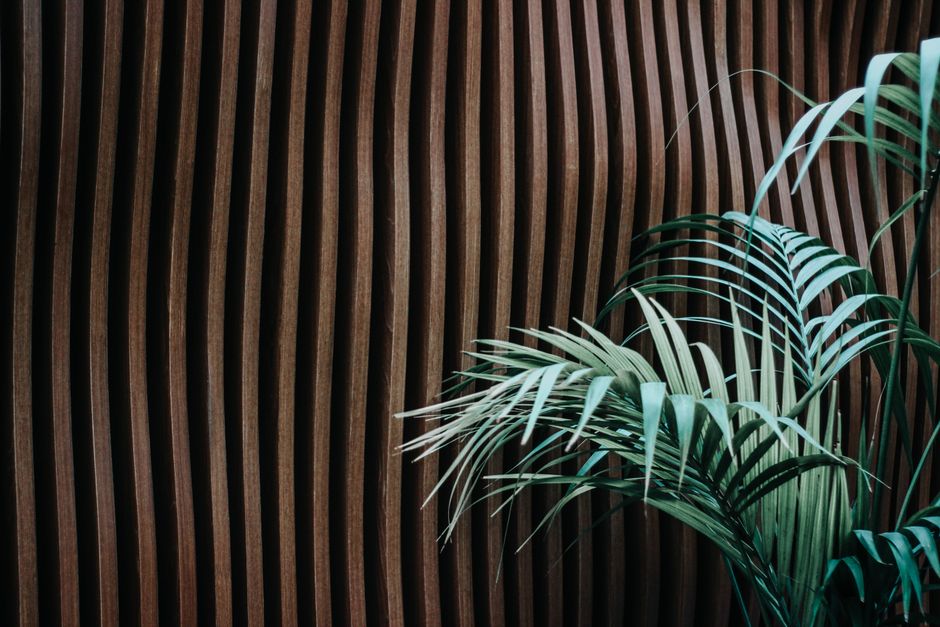
Biophilic design thrives on the use of natural materials. Think wood, stone, bamboo, and wool. The tactile experience of these materials can bring a room to life. In the kitchen, opt for stone countertops and wooden cabinets. In the living room, a woolen rug or a bamboo coffee table can add warmth and texture.
For a more adventurous approach, consider rammed earth walls or a living cork floor. These materials are not only sustainable but also bring a unique aesthetic that connects your home directly to the earth. The tactile and visual variety enhances our sensory engagement, creating a more comforting environment.
Indoor Greenery: Beyond the Pot Plant
While houseplants have long been a staple of biophilic design, 2026 sees a shift towards more integrated plant installations. Living walls, or vertical gardens, are becoming a common feature in modern homes. These installations not only purify the air but also create a vibrant, lush backdrop that changes with the seasons.
For those with limited space, consider hanging planters or modular plant systems that can be rearranged as needed. The key is to select a variety of plants that thrive indoors. Ferns, philodendrons, and peace lilies are excellent choices due to their low maintenance requirements and air-purifying abilities. The result is a dynamic and engaging interior landscape.
Incorporating Biophilic Design Principles into Every Room
Biophilic design is not confined to a single room. Bedrooms can benefit from calming hues and natural materials to promote restful sleep. Bathrooms, with the addition of pebbles and plants, can transform into spa-like retreats.
In the home office, a strategic placement of plants and natural light can increase productivity and reduce stress. Using a nature-inspired color palette that includes greens, blues, and earth tones can help to create a cohesive and calming environment throughout your home.
Practical Takeaway: Start Small, Dream Big
Integrating biophilic design into your home can be as simple or as complex as you want it to be. Start with small changes like adding more plants or choosing natural materials. As you grow more confident in the style, consider larger changes like installing a water feature or rethinking your home’s lighting strategy.
The beauty of biophilic design lies in its flexibility and its profound impact on our well-being. By creating spaces that reconnect us with nature, our homes become sanctuaries that nurture both body and mind.