Why a Spouse-Inclusive Workspace Matters in 2026
In 2026, the dynamics of work-from-home have evolved yet again. No longer are home offices just solitary sanctuaries for Zoom calls and silent typing. As more couples find themselves navigating remote work side-by-side, the need for a spouse-inclusive home workspace has become essential. Tailoring a shared office space can enhance productivity, foster better communication, and add a touch of harmony to the workday.
Understanding the Needs of Both Partners
Before diving into the design aspects, it’s crucial to understand the needs of each partner. This involves considering work habits, type of jobs, and personal preferences. One might prefer a standing desk, while the other leans toward a more traditional setup. Discuss the essentials: Is it a dual-monitor kind of job, or do both of you need noise-canceling headphones? Does one thrive in a quieter environment while the other bursts with ideas on a call? Mapping out these requirements sets the stage for a more effective workspace.
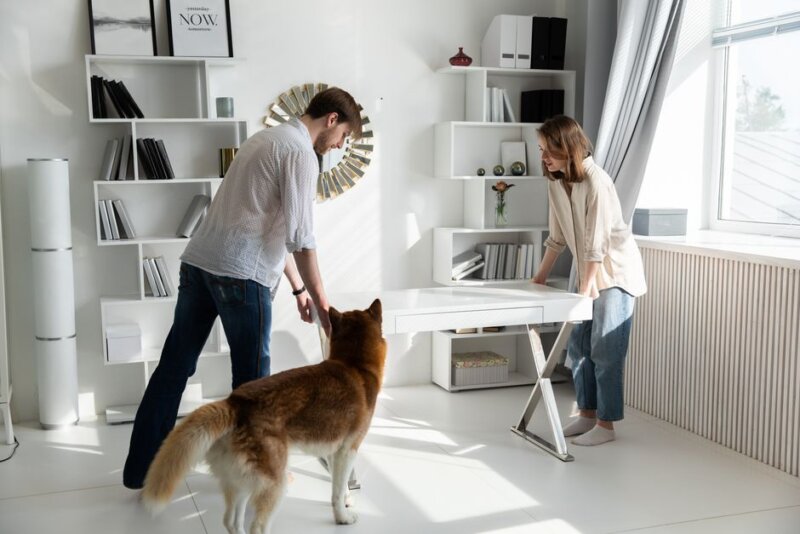
- Dual Desks: Consider investing in desks that can either be placed side-by-side or back-to-back to accommodate both partners’ working styles and space requirements.
- Shared Storage: Opt for modular storage that can be configured based on each person’s needs, ensuring that both have access to the resources they need without encroaching on the other’s space.
Designing a Productive and Harmonious Space
Creating a shared workspace involves balancing functionality with aesthetics. A well-designed space can minimize distractions and enhance concentration, crucial for maintaining productivity. Here’s how you can achieve that:
- Color and Lighting: Choose colors that promote focus, like muted greens or blues. Incorporate natural light wherever possible, supplemented by soft artificial lighting to create a warm ambiance.
- Acoustic Considerations: Use sound-absorbing materials for walls or invest in portable partitions that help manage noise levels, especially if one partner is on frequent calls.
- Personal Touches: Allow room for personalization. Whether it’s a plant, a photo, or an inspirational quote, these elements can make the area feel more welcoming and individualized.
Integrating Technology for Efficiency
Technology is your friend in a spouse-inclusive workspace. Employ smart home gadgets to streamline your day-to-day activities and facilitate better communication between partners.
- Shared Digital Calendars: Using tools like Google Calendar or Microsoft Outlook, both partners can sync their schedules to avoid overlapping meetings and plan breaks together.
- Virtual Assistants: Devices like Amazon Echo or Google Home can help manage tasks, set reminders, and even control the lighting and temperature of the workspace.
Fostering a Balance Between Work and Home Life
A shared workspace can blur the lines between work and home life, a challenge that requires thoughtful solutions. Establishing boundaries within the workspace is key to maintaining a healthy balance.
- Dedicated Break Zones: Create a small area separate from the working desks where you both can take breaks. Whether it’s a comfy chair or a shared beanbag, it provides a mental break from work.
- End-of-Day Rituals: Implement rituals that signal the end of the workday, such as shutting down computers, dimming lights, or playing a favorite song.
Practical Takeaway
Designing a spouse-inclusive workspace is not just about aesthetics and logistics—it’s about crafting an environment that supports both partners, fostering a cooperative and harmonious work-from-home experience. By combining functional design, technology, and personal touches, you can transform your home office into a space that enhances both productivity and relationship dynamics. It’s all about balance, understanding, and a touch of creativity.