The Rise of the Indoor Jungle
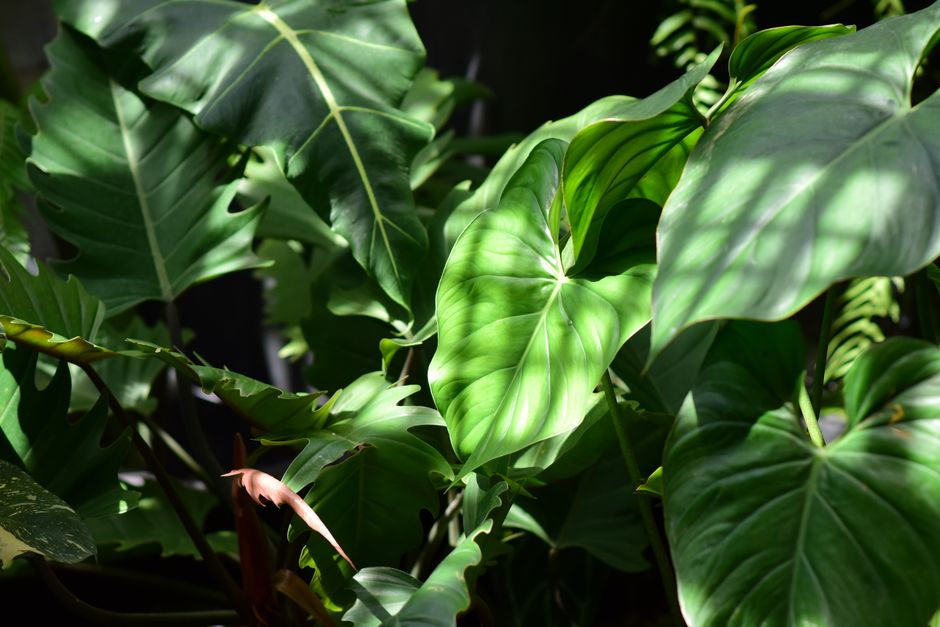
In 2026, homes are no longer just living spaces; they’ve transformed into thriving ecosystems. The indoor jungle trend is more than a decorative choice—it’s a lifestyle. With a focus on biodiversity, people are turning their homes into lush environments that support various plant species and even small wildlife, creating a serene and oxygen-rich atmosphere.
Choosing the Right Plants for Your Ecosystem
Creating an indoor jungle requires diversity. Start by selecting a mix of plants that thrive in different layers of your home. Consider tall plants like Ficus lyrata and Dracaena marginata for height. Add medium-sized species such as Spathiphyllum (Peace Lily) and various ferns, and don’t forget trailing plants like Pothos and Philodendron to drape over shelves and hanging pots.
- Light: Assess the natural light in your home. South-facing windows offer bright light, perfect for sun-loving plants, while north-facing windows suit low-light varieties.
- Humidity: Tropical plants thrive in humid environments. Consider a small humidifier or place bowls of water around to increase moisture.
- Temperature: Most houseplants prefer temperatures between 65°F and 75°F. Keep this in mind to prevent plant stress.
Creating a Balanced Ecosystem
A true indoor jungle thrives on balance. Besides plants, consider introducing small creatures like butterflies or ladybugs that can coexist with your greenery. While this might sound unconventional, these creatures help control pests and add a dynamic element to your ecosystem.
Use natural fertilizers like compost tea to nourish your plants without harming beneficial insects. Additionally, rotating your plant arrangements periodically can ensure even growth and exposure to light.
The Health Benefits of Your Indoor Jungle
Beyond aesthetics, indoor jungles offer substantial health benefits. Plants are natural air purifiers, removing toxins like formaldehyde and benzene from the air. Additionally, the presence of greenery has been shown to reduce stress levels, improve mood, and boost productivity.
Studies from 2026 highlight how indoor biodiversity can enhance mental well-being, reduce anxiety, and promote better sleep. By bringing nature into your home, you create a sanctuary that nurtures both body and mind.
Maintaining Your Indoor Jungle
Keeping your indoor jungle healthy requires regular care. First, establish a watering schedule based on plant needs. Overwatering is a common mistake; ensure pots have drainage holes and use moisture meters if needed.
Pruning is essential for maintaining plant health and appearance. Trim dead leaves and stems to encourage new growth and prevent disease. Also, dust plant leaves regularly to keep them clean and allow for optimal photosynthesis.
Practical Takeaway: Cultivating Harmony
In 2026, creating an indoor jungle is more than a trend; it’s an opportunity to cultivate harmony in your home. By integrating diverse plant species and respecting the natural ecosystem, you create a living space that supports health, happiness, and the environment. Embrace the art of biodiversity and transform your home into a lush, vibrant retreat.