Introduction: The Rise of the Home Office
As the world continues to embrace remote work, the home office has become a staple in modern living. But in 2026, it’s not just about having a designated space to work from home. The focus has shifted to creating an energy-efficient home office that conserves resources, reduces bills, and contributes to a sustainable lifestyle. Let’s explore how you can transform your workspace into an eco-friendly haven.
Choosing the Right Location
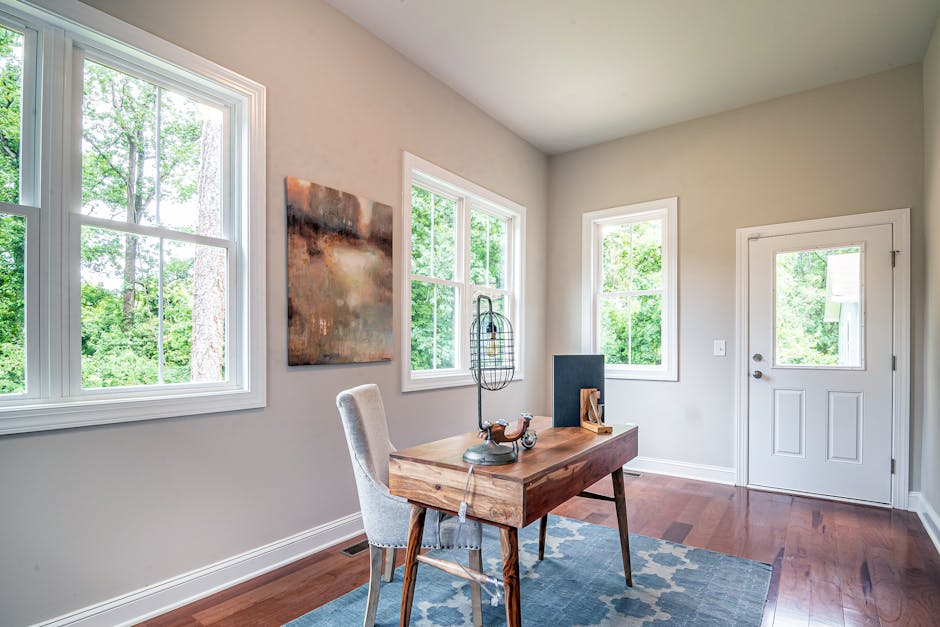
Location plays a crucial role in maximizing energy efficiency. Ideally, place your home office in a spot that receives ample natural light. This not only reduces the need for artificial lighting but also promotes productivity and well-being. Consider a room with windows facing south or west to capitalize on sunlight during the day.
If your options are limited, use mirrors to reflect natural light deeper into the room, or consider installing a skylight. A well-lit space will reduce the need for lamps and overhead lighting, cutting down on electricity usage.
Investing in Energy-Efficient Equipment

Modern technology has provided us with a range of energy-efficient office equipment. Look for appliances with the Energy Star label, which indicates they meet strict energy efficiency guidelines. From computers and printers to LED desk lamps, these devices can significantly reduce your energy consumption.
Additionally, consider investing in smart power strips. These allow you to cut off power to devices that are not in use, preventing phantom energy drain that can account for up to 10% of your household’s energy bill.
Optimizing Heating and Cooling
Heating and cooling can account for a significant portion of energy usage in a home office. In 2026, more homeowners are turning to smart thermostats, which learn your schedule and adjust temperatures for maximum efficiency. These devices can be controlled via smartphone apps, allowing you to make adjustments even when you’re away from home.
Consider supplementing your home’s HVAC system with energy-efficient fans or space heaters. These can provide localized temperature control, reducing the need to heat or cool the entire house when only the office is occupied.
Eco-Friendly Furnishings
Choosing sustainable furniture is another way to make your home office more energy-efficient. Look for pieces made from reclaimed or sustainably sourced materials. Bamboo, for instance, is a rapidly renewable resource and makes for sturdy, stylish office furniture.
Additionally, consider upcycling existing furniture to fit your office needs. An old dining table can be transformed into a spacious desk, while vintage chairs can add character and comfort. By choosing recycled or vintage pieces, you reduce the demand for new resources.
Incorporating Greenery
Plants do more than brighten a room—they improve air quality and humidity levels, which can influence heating and cooling efficiency. In 2026, many are turning to low-maintenance indoor plants, such as snake plants or pothos, for their home offices.
Consider vertical gardens or hanging planters if space is limited. Not only do they add a touch of nature to your workspace, but they also help regulate temperature and provide a calming ambiance that enhances focus and creativity.
Practical Takeaway: Creating Your Sustainable Workspace
In 2026, an energy-efficient home office is not just a trend—it’s a necessity. By making mindful choices in location, equipment, heating, furnishings, and greenery, you can craft a workspace that is both sustainable and inspiring. The benefits extend beyond the environment to your own well-being and financial savings, creating a truly win-win situation for modern living.