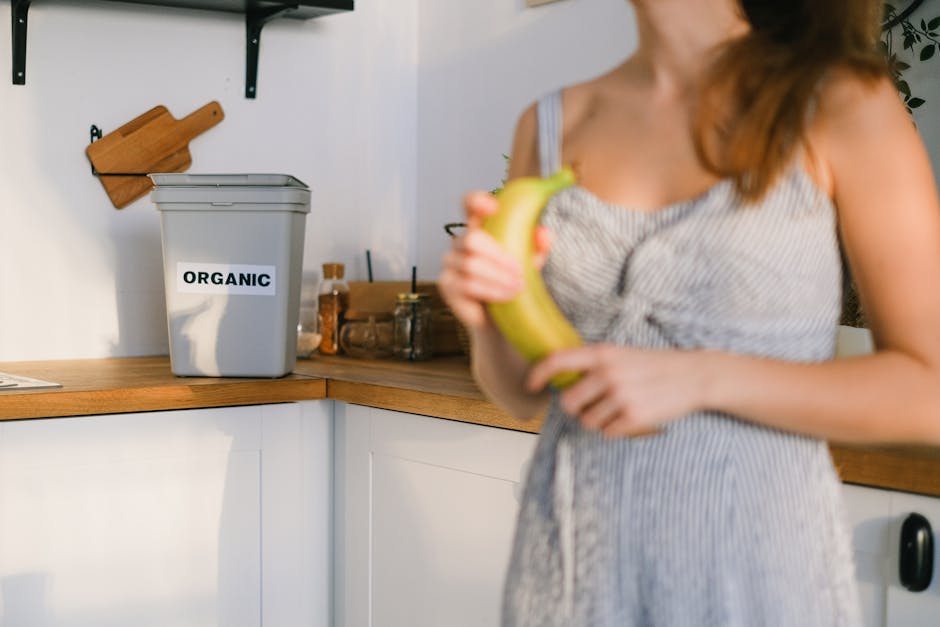
Why Composting in the Kitchen is Making a Comeback in 2026
With climate change discussions taking center stage, 2026 sees a renewed focus on sustainable living practices. Composting, one of the simplest yet highly impactful acts of eco-friendliness, is finding its way back into our kitchens. More than a trend, it’s a movement that transforms everyday organic waste into nutrient-rich soil, which can revitalize your garden and reduce kitchen waste significantly. In fact, the Environmental Protection Agency reports that food scraps and yard waste make up over 28% of what we throw away, so there’s real potential for change right at home.
Setting Up Your Kitchen Compost Station
Creating a compost station in your kitchen doesn’t require much space or money. The key is selecting the right compost bin that fits your lifestyle. For urban spaces, consider a countertop compost container with a charcoal filter to control odors. Brands like Bamboozle and OXO offer sleek designs that blend seamlessly with modern kitchen aesthetics. If you’re blessed with a backyard, a dual-bin system can aid in efficiently managing different composting stages.
What Can You Compost?
- Fruits and Vegetables: Peels, cores, and seeds are all compost-friendly.
- Coffee Grounds and Tea Bags: These add nitrogen, essential for breaking down organic material.
- Eggshells: Rich in calcium, they help strengthen plant cell walls.
- Bread and Grains: While they break down quickly, keep them sparse to avoid pests.
- Paper Towels: Only if they are free from chemicals or grease.
Avoid composting meat, dairy, and oils, as they can attract unwanted pests and slow down the decomposition process.
Composting Techniques: From Bokashi to Vermicomposting

By 2026, the options for composting have expanded beyond traditional methods. The Bokashi method, originating from Japan, involves fermenting organic matter before adding it to your compost pile. It’s a great option for those with limited space, as it produces less odor and can handle meats and dairy. Meanwhile, vermicomposting uses worms to digest food scraps, perfect for apartment dwellers looking to minimize waste further. Companies like Uncle Jim’s Worm Farm offer starter kits that make it easy to get going.
How Composting Benefits Your Garden and Beyond
Compost not only enriches soil but also helps retain moisture, suppress plant diseases, and reduce the need for chemical fertilizers. It’s like giving your garden a vitamin boost. Moreover, by reducing the amount of waste sent to landfills, composting reduces methane emissions, a potent greenhouse gas. Imagine having a blooming garden of tomatoes and basil in your backyard, all thanks to the banana peels and coffee grounds that didn’t end up in a landfill.
Practical Tips for a Successful Composting Journey
For those new to composting, patience is key. It can take months for scraps to break down completely, but the results are worth the wait. Here are some tips to make your composting journey smoother:
- Balance Greens and Browns: A mix of nitrogen-rich ‘greens’ (like food scraps) and carbon-rich ‘browns’ (like leaves and straw) ensures a balanced compost.
- Aerate Regularly: Turn your compost pile every few weeks to introduce oxygen, speeding up the decomposition process.
- Monitor Moisture Levels: Compost should be as damp as a wrung-out sponge. Too dry? Add water. Too wet? Mix in dry leaves.
By embracing composting, you’re contributing to a more sustainable planet, one peel at a time. So why not start your own composting revolution in 2026?