Understanding the Needs of Your Furry Companions
Our homes are not just for us; they are shared spaces with our beloved pets. In 2026, creating a pet-friendly home goes beyond just having a cozy pet bed or a scratching post. It’s about integrating their needs into the very architecture and design of our living spaces.
First, consider the specific needs of your pets. Dogs might need more open space or access to the outdoors, while cats often appreciate vertical environments. Fish and birds have different requirements entirely. Understanding these needs can help you make informed decisions.
Smart Technology for Smart Pet Living
Pet technology has come a long way in the past few years. In 2026, smart homes are not only about human convenience; they’re equally about pet comfort. Automated feeding systems, smart collars that track health and location, and even pet-specific climate control systems are becoming mainstream.
Imagine a doggy door that unlocks automatically when your pet approaches, or a cat feeder that dispenses food at scheduled times even when you’re not home. These innovations are designed to make life easier for both pets and their owners.
Designing Pet-Friendly Interiors
Interior design in 2026 has taken a turn for the thoughtful with pets in mind. Flooring is now available in pet-resistant materials that are both beautiful and durable, such as scratch-resistant bamboo or waterproof vinyl. Furniture upholstery options include fabrics that resist stains and fur, making maintenance a breeze.
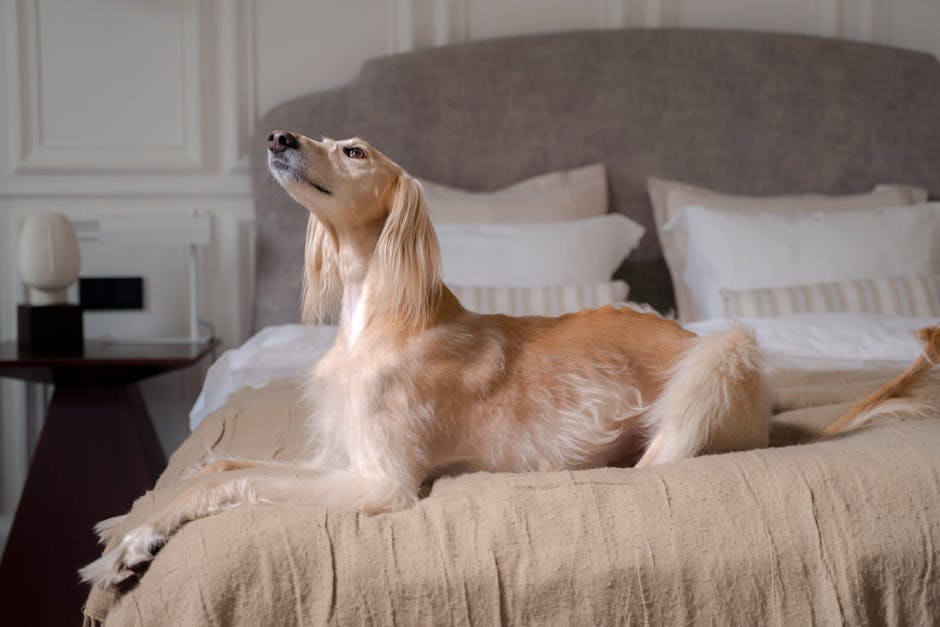
Consider creating pet zones within your home. These can be designated areas where pets can play, eat, or sleep without interrupting the flow of human activities. A built-in nook beneath the stairs can become a perfect hideaway for cats or small dogs, while larger dogs might appreciate an open area close to family activities.
Outdoor Spaces: Beyond the Basic Backyard
Outdoor areas in 2026 are not just for barbecues and gardening; they’re also extensions of pets’ living spaces. Safety and enrichment are key. Fencing that blends with the landscape provides security, while agility courses or sensory gardens offer stimulation and exercise.
For city dwellers, rooftop and balcony adaptations can offer safe, enclosed spaces where pets can enjoy fresh air. Artificial turf and planters with pet-safe plants can transform these areas into mini-parks.
Creating a Safe and Enriching Environment
Safety is paramount when designing a pet-friendly home. This includes ensuring that all plants are non-toxic, electrical cords are hidden or secured, and that there are no small objects that might pose a choking hazard. Practical considerations like these prevent accidents and keep your home a safe haven for all its inhabitants.
Enrichment, too, plays a vital role. Interactive toys and puzzle feeders can keep pets mentally stimulated, while rotating toys can prevent boredom.
Ultimately, a pet-friendly home in 2026 is all about balance. It’s about creating a space where both humans and animals can coexist comfortably, with shared environments that cater to the needs of all occupants.
Practical Takeaway: Tailor to Both Taste and Need
Tailoring your home for your pets involves understanding their unique needs and incorporating those into your living space without sacrificing your own. With the help of modern technology and design innovations, creating a harmonious home for everyone has never been easier.