The Buzz About Urban Beekeeping
Living in a bustling city doesn’t mean you have to miss out on the joys of nature. In 2026, urban beekeeping is not only a popular trend but an essential movement towards sustainability and self-sufficiency. With urban areas making up over 55% of the global population, bees have found a surprisingly cozy home amidst skyscrapers and gardens on high-rise buildings.
Bees are crucial for pollination, impacting both local ecosystems and global agriculture. But beyond their environmental importance, keeping bees in urban environments has emerged as a fascinating hobby and even a unique design feature for home enthusiasts.
Setting Up Your Rooftop Apiary
Creating a rooftop apiary doesn’t require acres of land. In fact, many enthusiasts in cities like New York and London are transforming their rooftops into thriving bee sanctuaries. The key is to start small. A single hive can house up to 60,000 bees during peak season, making it a manageable yet impactful project.
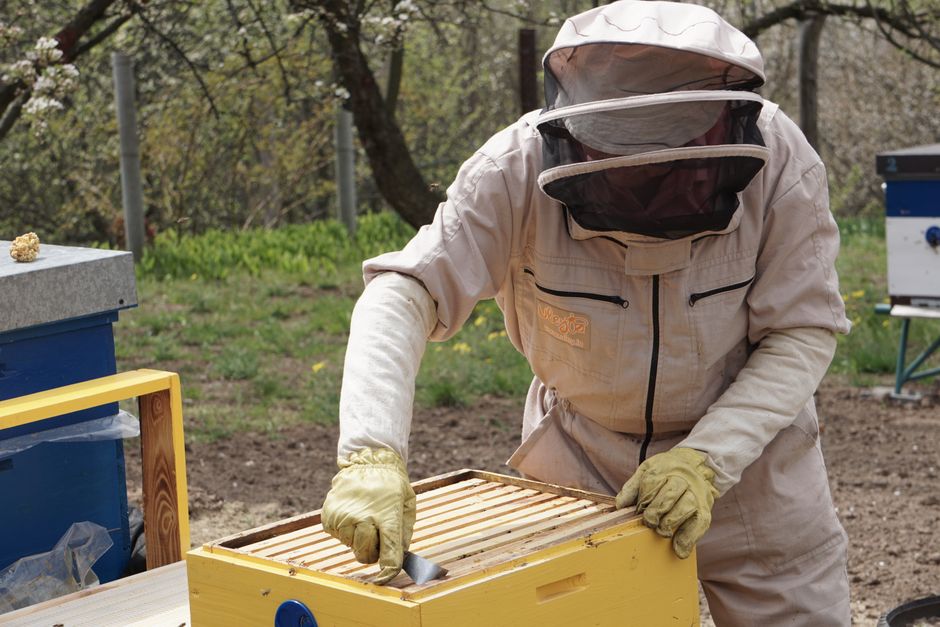
Finding the Right Hive: Modern beekeeping offers a range of hive designs. The traditional Langstroth hive is a popular choice, but some prefer the top-bar hive for its simpler design and ease of use. Consider your space and aesthetic preferences when choosing your hive.
- Langstroth Hive: Great for larger spaces and honey production.
- Top-Bar Hive: A minimalist option with a more natural beekeeping experience.
The Perfect Bee-friendly Garden
Your rooftop apiary will thrive best with a bee-friendly garden. Urban gardeners are increasingly planting pollinator-friendly flowers and herbs, creating a haven not just for bees but also for butterflies and other beneficial insects.
Top Plant Choices for Your Garden:
- Lavender: Its fragrant blooms attract bees and add a delightful aroma.
- Sunflowers: These bright flowers are easy to grow and a bee favorite.
- Mint and Basil: Perfect for pairing with your culinary pursuits, these herbs are also loved by bees.
Additionally, urban beekeepers should ensure there’s a water source for their bees. A simple birdbath with a few stones or pebbles will help keep them hydrated.
Understanding Local Regulations

Before setting up your hive, it’s crucial to be aware of local regulations and guidelines. Cities often have specific rules about beekeeping to ensure safety and harmony with neighbors.
In San Francisco, for instance, beekeeping is permitted as long as the hive is registered with the city. Meanwhile, in Toronto, beekeepers must maintain a specific distance between hives and neighboring properties. Checking with your local council will provide the necessary steps to legal urban beekeeping.
Benefits Beyond Honey
While honey is a sweet reward, the benefits of urban beekeeping extend far beyond it. Many urban beekeepers report a deeper connection to nature and a sense of responsibility for the environment. Beekeeping has therapeutic elements too, with the act of caring for bees offering a meditative experience.
Moreover, by supporting bee populations, you’re contributing to the health of urban ecosystems. Many cities now offer programs to encourage urban beekeeping, recognizing its role in combating the decline of bee populations.
The Joys of Sharing Your Harvest

One of the most delightful aspects of urban beekeeping is sharing your harvest. Whether it’s honey, beeswax candles, or homemade skincare products, your rooftop apiary can be a source of creativity and community.
Consider organizing local workshops to spread awareness about the importance of bees or hosting honey tasting events with neighbors. These activities not only foster community spirit but also enhance your beekeeping experience by sharing its joys with others.
Urban beekeeping in 2026 is more than a trend. It’s a movement that brings together sustainability, design, and community. So, if you’re living in the city and yearning for a touch of nature, perhaps a rooftop apiary is the next step in your home living adventure.
Takeaway: Start Your Urban Beekeeping Journey
If the idea of urban beekeeping has piqued your interest, start small, do your research, and reach out to local beekeeping groups. With time, patience, and a bit of bee-friendly flair, you can transform your urban dwelling into a buzzing haven of life.