Introduction to Vertical Landscaping
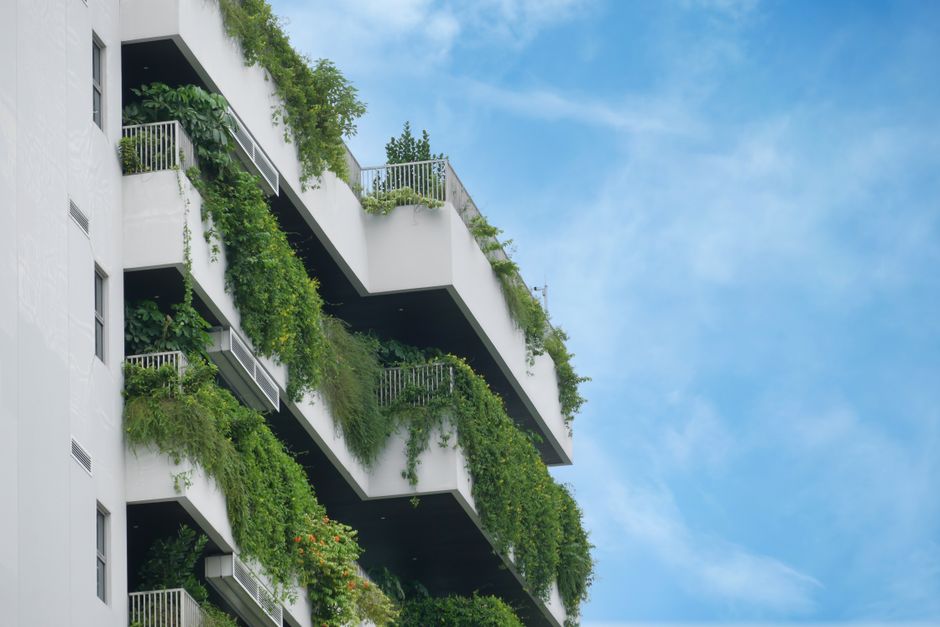
The world of home gardening has taken a delightful turn in 2026 with the rise of vertical landscaping. No longer confined to sprawling backyards, lush greenery can now be part of any home, regardless of space limitations. Transform your home into a green sanctuary by climbing the walls—literally!
The Benefits of Going Vertical
Maximize Limited Space: Urban areas like New York City or San Francisco often come with limited square footage. Vertical gardens make it possible for city dwellers to cultivate their green thumb without needing a large plot of land. By growing upward, you can fit an entire garden on your balcony or even inside your living room.
Improved Air Quality: Plants are natural air purifiers. A vertical garden can significantly improve the air quality within your home. Imagine a living wall of ferns in your living room filtering pollutants and increasing oxygen levels.
Eco-Friendly Design: By creating a vertical garden, you’re contributing positively to the environment. Many vertical systems use recycled materials for planters, reducing waste and promoting sustainable living.
Choosing the Right Plants
Not all plants are created equal, especially when it comes to vertical setups. Selecting the right species is crucial for a thriving vertical garden. Consider plants that grow well in confined soil and those that can adapt to a vertical root structure.
- Herbs and Edibles: Basil, thyme, and strawberries are excellent choices for those who want a functional garden. They grow well in small spaces and are easy to maintain.
- Flowering Plants: Opt for climbing roses or petunias that not only add beauty but also attract pollinators like bees and butterflies.
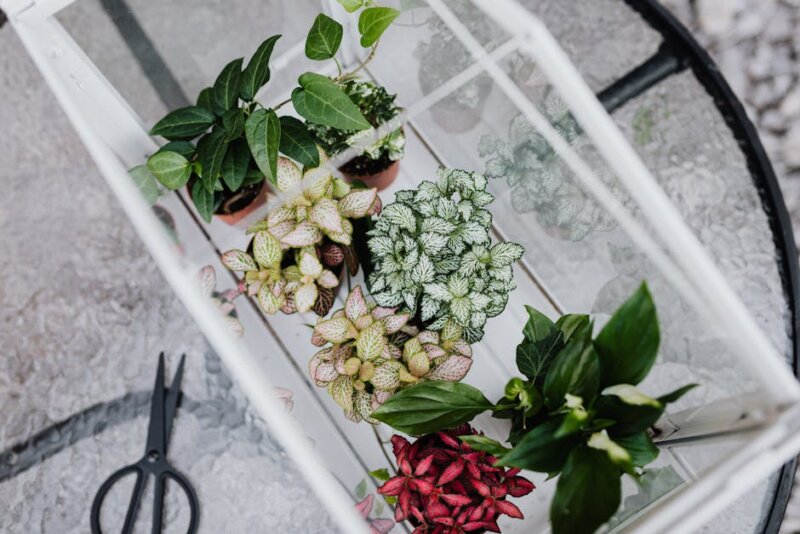
- Foliage Plants: For a lush green look, use ferns and ivies. Their draping nature is perfect for vertical gardens, creating a cascading visual effect.
How to Create Your Vertical Garden
Building a vertical garden can be a fun and rewarding DIY project. Here’s a step-by-step guide to get you started.
- Select a Location: Choose a spot with adequate light and easy access for watering. Walls that receive morning sunlight are ideal as they prevent plants from scorching.
- Choose a System: There are various systems available such as modular panels, pocket systems, or trellises. Modular panels are great for larger installations, while pocket systems are ideal for small spaces.
- Install Irrigation: Depending on the size of your vertical garden, you might need a drip irrigation system to ensure even watering. This is crucial to avoid over-watering or under-watering your plants.
- Planting and Maintenance: Start planting from the bottom up to ensure the structure’s stability. Regular pruning and feeding will keep your plants healthy and vibrant.
Incorporating Technology
Smart Gardening: Technology has transformed home gardening in 2026. Utilize smart sensors that monitor soil moisture and light exposure, sending alerts to your smartphone. This way, even novice gardeners can ensure optimal plant health.
Automated Systems: Consider investing in automated vertical garden systems that adjust watering and lighting based on your plant’s needs. Companies like GreenTech Innovations have developed fully automated systems that cater to urban gardeners.
The Aesthetic Appeal
A vertical garden is more than just a collection of plants; it’s a living art piece. Transform your space with creative designs that reflect your personality. Consider mixing and matching plant colors, incorporating decorative elements like fairy lights or wind chimes, or even installing a small water feature for a soothing effect.
Takeaway
Vertical gardens offer an innovative way to introduce greenery into your home, regardless of space constraints. With thoughtful planning and a touch of creativity, your home can become a verdant haven that benefits both your health and the environment. Embrace the trend in 2026, and let your walls come alive!