The Evolving Role of Home Offices in 2026

As we settle into 2026, the home office has solidified its place as a cornerstone of modern living. No longer confined to a desk in a spare bedroom, today’s home office is a dynamic space that caters to creativity, productivity, and well-being. With more than 30% of the global workforce working remotely, the demand for innovative, personalized home office designs has skyrocketed. The shift from traditional office settings to home-based workspaces presents a unique opportunity to craft environments that enhance focus while promoting comfort and style.
Designing for Creativity: Color, Light, and Layout
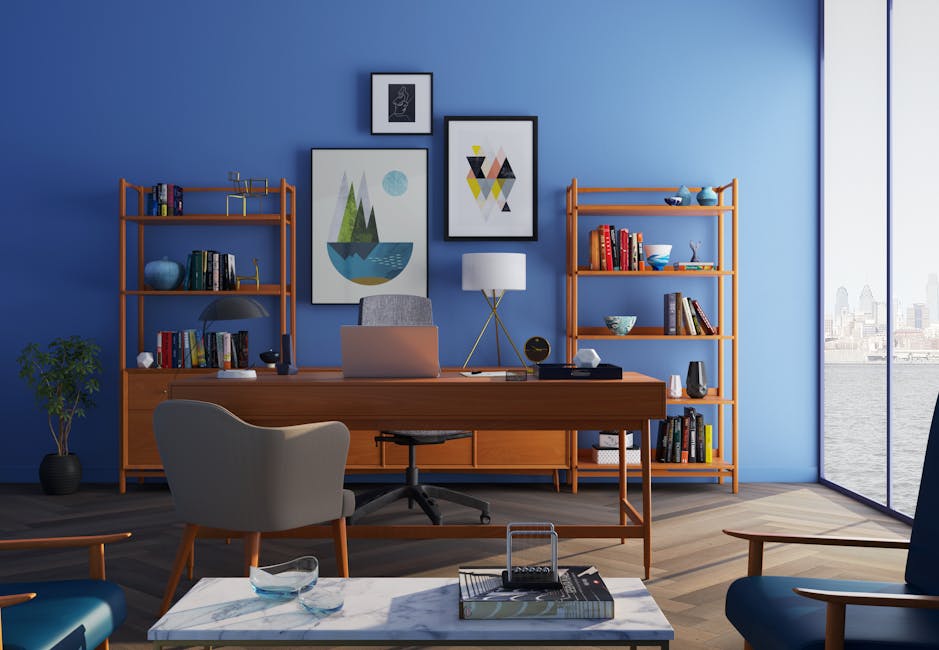
As you embark on creating your ideal home office, consider the profound impact of color, lighting, and layout on your creativity. Psychologists have found that colors like blue and green can boost creative thinking. Incorporating these hues into your workspace through wall paint, artwork, or accessories can ignite inspiration. Meanwhile, lighting plays a crucial role in maintaining energy levels and focus. Natural light is a powerful ally, so position your desk near windows whenever possible. If natural light is scarce, opt for adjustable LED lamps that mimic daylight.
When it comes to layout, think beyond the traditional desk and chair setup. Consider incorporating a standing desk or a cozy reading nook to break the monotony and stimulate different types of thinking. Customizing your office to suit your workflow and interests can lead to a more engaging and productive environment.
Tech Integration: The Smart Office
In 2026, technology is seamlessly woven into the fabric of home office design. From smart assistants to automated lighting systems, technology not only enhances convenience but also boosts productivity. A smart speaker can manage your schedule, play music that aids concentration, or even control your office temperature. Automated standing desks adjust to your preferred heights at set intervals, promoting better posture and reducing fatigue. Furthermore, virtual reality (VR) headsets are making waves by offering immersive breaks that can reset your mind and spark creativity.
Personalization: Making Your Space Truly Yours
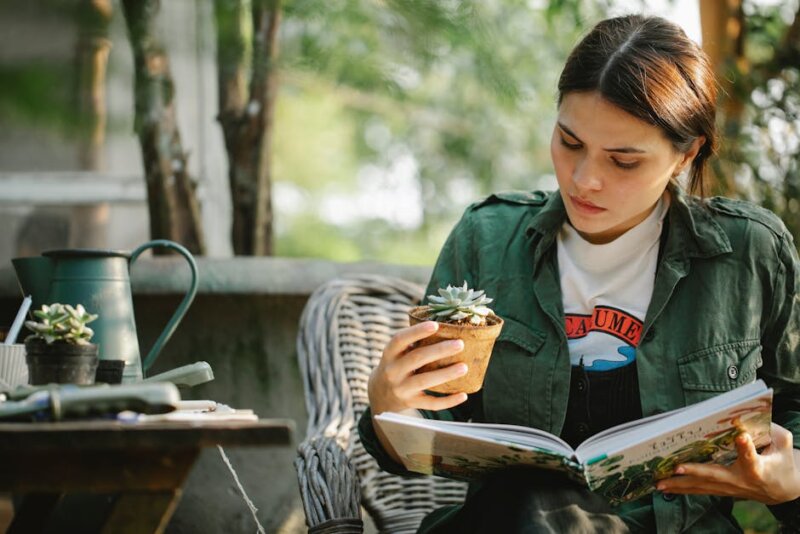
Personalization is the key to a home office that feels inviting and motivating. Add a touch of your personality with curated art pieces, family photos, or a collection of inspiring books. The trend of biophilic design, which incorporates natural elements like plants and water features, continues to gain traction. Not only do plants improve air quality, but they also have a calming effect that can enhance productivity.
Consider investing in ergonomic furniture that supports your health and comfort, such as chairs with lumbar support or desks with customizable height settings. A well-crafted, personalized workspace reflects who you are and supports your work style, making it a pleasure to spend time in.
Balancing Privacy and Accessibility
Working from home often blurs the line between personal and professional life, making privacy and accessibility important design considerations. Sliding partitions or noise-cancelling panels can create a sense of privacy without completely shutting you off from the rest of the home. Meanwhile, having a designated workspace helps signal to others when you’re in ‘work mode.’
The integration of technology also allows for seamless communication without sacrificing privacy. Video conferencing tools and collaborative platforms mean you’re just a click away from connecting with colleagues, while features like ‘Do Not Disturb’ modes can help minimize interruptions during focused work sessions.
Creating a Sustainable Workspace
As sustainability continues to be a priority in 2026, eco-conscious design choices can make your home office both stylish and environmentally friendly. Opt for furniture made from sustainable materials, like bamboo or reclaimed wood. Solar-powered gadgets and energy-efficient devices reduce your carbon footprint while saving on energy costs. Even small changes, such as using recycled paper products or LED light bulbs, contribute to a greener office.
Local artisans and craftsmen offer unique, sustainable options that add character and a sense of place to your office. Supporting local businesses can further enhance the sustainability of your workspace, making it a true reflection of your values.
Ultimately, the home office of 2026 is about creating a space that supports your professional needs while nurturing personal well-being. By focusing on creativity, technology integration, personalization, privacy, and sustainability, you can design a workspace that is as flexible and dynamic as the world of remote work itself.

Practical Takeaway: Transform your home office into a haven of creativity and productivity by integrating thoughtful design, smart technology, and sustainable practices. Your workspace should reflect your personality and cater to your unique work habits, ensuring a balance between professional efficiency and personal comfort.