The Rise of Eco-Friendly Fabrics

Welcome to 2026, where sustainability isn’t just a buzzword—it’s a way of life. The textile industry has seen a seismic shift towards eco-friendly materials, making it easier than ever to furnish your home with a clear conscience. From recycled polyester to organic cotton, the options available are both stylish and sustainable. Whether you’re redecorating your living room or just updating your throw pillows, there’s a green alternative waiting for you.
Understanding the Materials
One of the most exciting developments in the textile world is the introduction of Revolution Wool, a fabric made entirely from recycled wool fibers. This zero-waste material not only reduces landfill waste but also brings a touch of luxury to any home. Pair this with SeaCell, a fiber derived from seaweed and wood cellulose, and you’ve got a one-two punch of sustainability and comfort.
- Revolution Wool: Known for its durability and warmth, this material is perfect for cozy blankets and stylish winter throws.
- SeaCell: Naturally hypoallergenic and soft to the touch, SeaCell is ideal for bedding and upholstery, offering an eco-friendly alternative to traditional cotton.
Why Choose Sustainable Textiles?
Choosing sustainable textiles goes beyond just feeling good about your choices. It’s about making a tangible impact. The textile industry is one of the largest polluters globally, and small changes in consumer behavior can drive significant environmental progress. Plus, today’s eco-friendly fabrics don’t compromise on quality or aesthetics—you’re investing in pieces that are as beautiful as they are responsible.
Integrating Sustainable Fabrics into Your Home
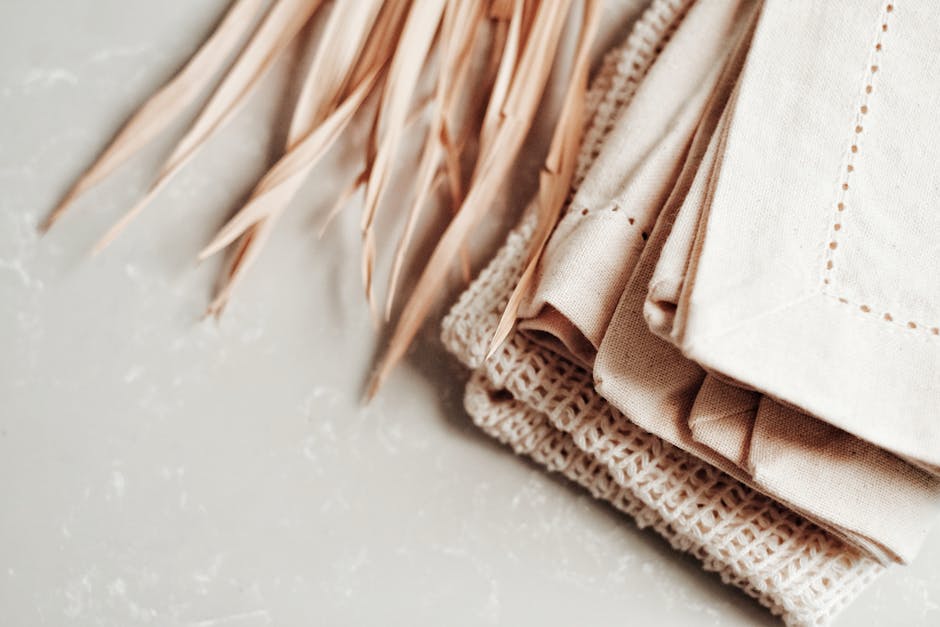
Now that you’re familiar with the materials, let’s talk implementation. Start small by swapping out your current pillow covers with ones made from recycled cotton or linen blends. Opt for curtains in neutral shades of hemp fabric to add a touch of elegance to your living space. Even your kitchen can join the revolution with durable, compostable dish towels made from bamboo fibers.
- Pillow Covers: An easy, budget-friendly way to introduce sustainable materials into your home.
- Hemp Curtains: Elevate your space with these stylish, eco-conscious window treatments.
- Bamboo Dish Towels: Functional, aesthetically pleasing, and kind to the planet.
The Future of Home Textiles
Looking ahead, the trend isn’t going away anytime soon. Innovations in sustainable textiles are being fast-tracked, with new materials like Mylo, a leather alternative made from mycelium, set to hit the market soon. As more people become aware of the options available, the demand for eco-friendly textiles will only grow. So, get ahead of the curve and start redesigning your home with a planet-first mindset.
With just a bit of effort, you can transform your living space into a haven that’s not only beautiful but also sustainable. Embrace the textile revolution and make your home a reflection of a better world.
Practical Takeaway
Start small and think big. By integrating sustainable textiles into your home, you can enjoy stylish, eco-friendly living and contribute to a healthier planet. Don’t just follow the trend—be a part of the movement.