Why Indoor Greenhouses Are Taking Root in 2026
If you thought indoor plants were just for aesthetics, think again. In 2026, the horticultural home trend is all about integrating fully functional indoor greenhouses to bring the farm-to-table experience directly to your kitchen. With urban living spaces shrinking and the demand for organic produce skyrocketing, having an indoor greenhouse is not just a luxury — it’s becoming a necessity for modern households.
Designing Your Indoor Greenhouse Space
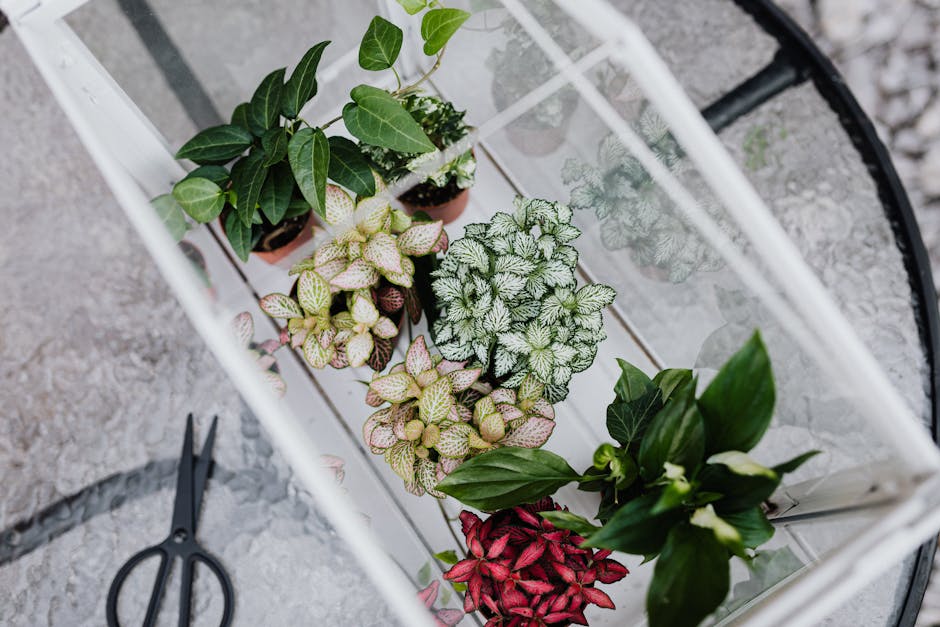
Creating an indoor greenhouse doesn’t mean sacrificing style for function. Modern designs focus on seamless integration into your existing home decor. Consider utilizing spaces like sunrooms, large kitchen nooks, or even converting a rarely used guest room into a green oasis. The key is to ensure that your plants receive ample light, which may mean investing in a combination of natural and artificial lighting solutions.
- Choose the Right Location: South-facing windows are ideal for sunlight exposure but consider supplementing with LED grow lights, which have become both cost-effective and energy-efficient.
- Structural Elements: Opt for materials like glass and metal that not only withstand humidity but also complement modern home aesthetics.
- Ventilation Matters: Proper airflow is crucial. Integrate small fans or automated ventilation systems to ensure plant health.
Selecting the Best Plants for Year-Round Harvest
The success of your indoor greenhouse hinges on choosing the right plants. Leafy greens like kale and spinach thrive indoors, as do herbs like basil, mint, and thyme. For those with more space, consider dwarf varieties of tomatoes or peppers that can produce fruit year-round.
- Microgreens: These are a powerhouse of nutrition and can be harvested in just a few weeks. Perfect for salads or garnishes.
- Strawberries: Compact and a treat for kids and adults alike, these can be grown in hanging planters to save space.
- Citrus Trees: Dwarf lemon or orange trees are both decorative and functional, providing fresh fruit and a pleasant fragrance.
Technology: The Heartbeat of Indoor Greenhouses
The latest tech advancements make managing an indoor greenhouse easier than ever. Automated watering systems, soil sensors, and climate control apps allow you to monitor and adjust conditions remotely. Imagine receiving a notification on your phone when your basil needs a drink or your tomatoes need more light!
- Smart Irrigation Systems: These systems can be programmed to water plants based on their specific needs, reducing water waste and ensuring optimal growth.
- Soil Health Sensors: Keep track of pH levels and nutrient content effortlessly with integrated sensors that provide real-time data.
- Climate Control Apps: Manage temperature and humidity with apps that sync with your home’s HVAC system, ensuring a stable environment for your plants.
The Sustainable Impact and Benefits
By growing your own produce, you’re not only reducing your carbon footprint but also ensuring your family consumes pesticide-free, fresh vegetables and fruits. It’s a step towards self-sustainability that resonates with the eco-conscious household of 2026. Plus, the mental health benefits of gardening—such as reduced stress and improved mood—make this a holistic addition to any home.
As we move forward, the integration of indoor greenhouses will likely become a staple in modern home design, offering a blend of utility and style that meets the evolving demands of contemporary living.
Transform your home into a year-round garden sanctuary, and watch as it nurtures both your body and soul. With a few adjustments and the right tech, you can bring the joy of gardening indoors, no matter the season.