The Rise of Hyperlocal Gardens
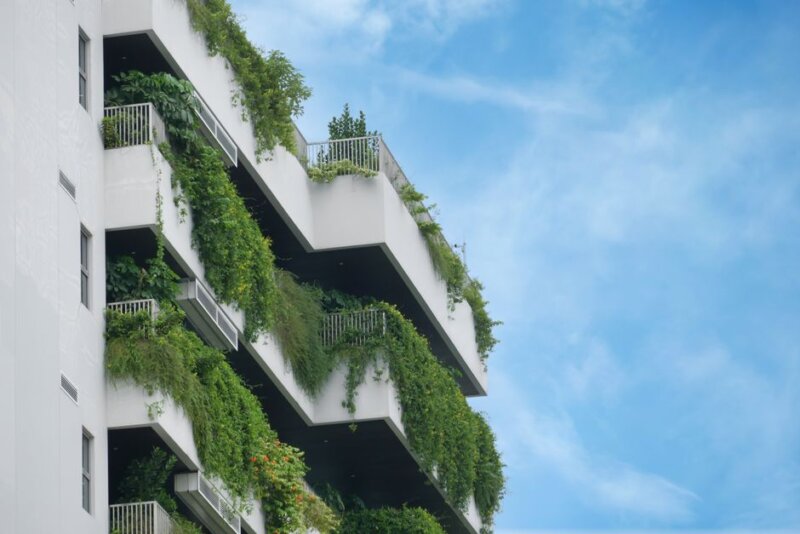
2026 is witnessing a lush transformation right in our backyards—or even our balconies. The concept of hyperlocal gardening is flourishing, encouraging homeowners to cultivate their own produce to enjoy fresher, tastier meals. Hyperlocal gardens are not just about reducing the carbon footprint; they’re about reconnecting with nature and understanding the journey of food from seed to plate. Enthusiasts are transforming small urban spaces into thriving ecosystems, teeming with an array of vegetables, herbs, and even fruits.
Planning Your Space: From Balconies to Backyards
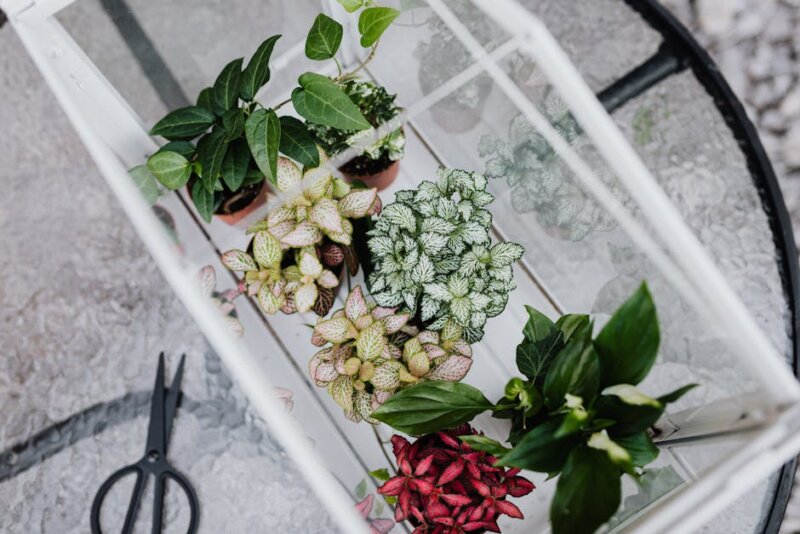
Whether you have a sprawling backyard or a modest balcony, you can carve out your own green nook. Start by assessing the available space and sunlight. South-facing balconies or gardens are ideal for sun-loving produce like tomatoes and peppers. For shaded areas, consider growing leafy greens such as spinach or kale. Planning is crucial here, as some plants require more space than others. Vertical gardening techniques, like trellises for climbing plants or tiered planters, can maximize smaller spaces effectively.
Choosing the Right Plants for 2026
In 2026, the focus is on resilient, heirloom varieties that thrive in local climates. Consider planting varieties like Cherokee Purple tomatoes or Black Beauty zucchinis, both of which offer robust flavors and high yield. Herbs like basil, mint, and rosemary are also staples, adding immediate freshness to dishes. For fruit, dwarf varieties such as Meyer lemon trees or strawberry plants can be perfect for those limited on space. Remember, the key is diversity, which not only enhances your meals but also supports garden biodiversity.
The New Age of Garden Tech

The tech boom hasn’t left the garden behind. Smart irrigation systems, like the 2026 AquaSense, conserve water by sensing soil moisture levels and applying just the right amount of water. Apps like PlantPal can remind you when to fertilize and protect your plants from pests with eco-friendly solutions. Drones are also becoming popular for larger gardens, helping to monitor plant health from above. This blend of technology and nature is making home gardening more accessible and efficient than ever.
From Garden to Table: Cooking with Homegrown Ingredients
Once your garden is thriving, the fun part begins—cooking with freshly harvested ingredients. The joy of a garden-to-table meal lies in the unparalleled flavor and nutritional value. Consider crafting a simple caprese salad with your own tomatoes and basil, or a refreshing mint lemonade. For those cooler months, a hearty vegetable stew featuring homegrown carrots, onions, and potatoes can be a comforting delight. The possibilities are endless, and the satisfaction of knowing you’ve nurtured these ingredients from the soil makes every meal more meaningful.
Community and Sustainability: The Broader Impact
Embracing a hyperlocal garden isn’t just a personal journey; it has community and environmental benefits too. Sharing surplus produce with neighbors encourages community relationships and reduces food waste. Moreover, home gardening reduces reliance on store-bought produce, which often requires extensive shipping, thus lowering our carbon footprint. As more people adopt this lifestyle, the collective impact can lead to significant environmental shifts, making our world a greener, healthier place.
Practical takeaway: Starting a hyperlocal garden in 2026 can transform not only your meals but your connection to nature and community. Whether you’re tending to a few pots on a balcony or cultivating a full backyard oasis, the benefits are vast. Begin small, utilize available technology, and relish the vibrant, fresh flavors of your garden-to-table creations.