Understanding Sensory-Enhanced Living Rooms

The concept of sensory-enhanced living rooms is gaining traction as we move further into 2026. The idea is simple yet profound: create spaces that stimulate all senses, immersing inhabitants in an environment that feels not only beautiful but also deeply engaging. This approach goes beyond aesthetics, focusing on how a space feels, smells, and sounds, integrating everything to deliver a holistic experience.
Visual Stimulation: Beyond Color Palettes
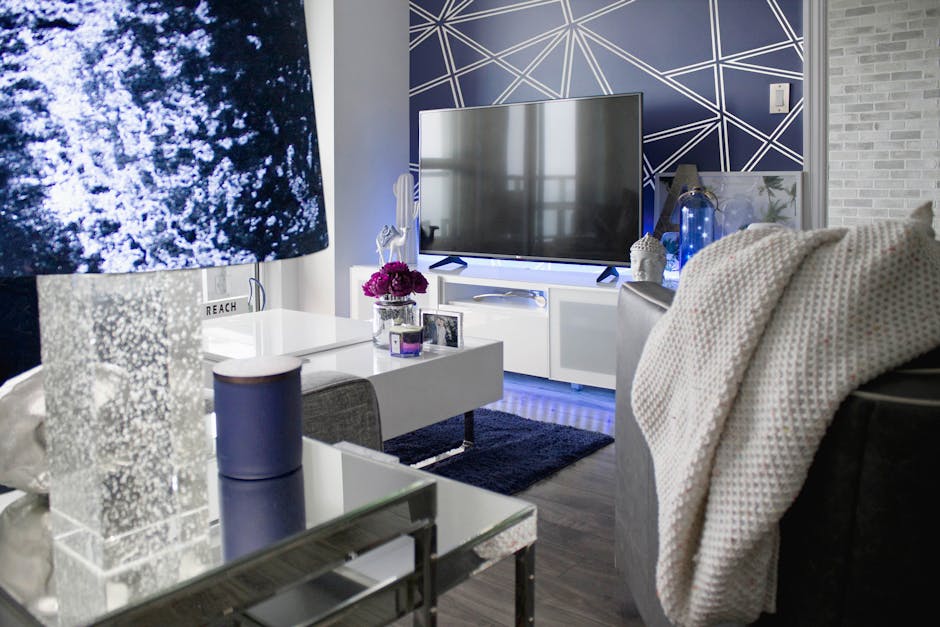
Visual appeal remains a cornerstone of interior design, but sensory-enhanced spaces demand more than just a pretty color palette. In 2026, designers are incorporating textured wallpapers, dynamic lighting systems, and reflective surfaces. For instance, you might find a living room adorned with LED wall panels capable of changing color to match the mood or time of day, creating an ambiance that’s ever-evolving. The use of smart windows with adjustable tinting technology is also becoming popular, allowing natural light modulation to suit different times or activities.
The Sound of Serenity: Acoustic Design
Sound plays a critical role in sensory-enhanced living rooms. Nowadays, homeowners are investing in acoustic panels and soundscaping technology. Imagine walking into your living room and hearing the gentle rustle of leaves or the soft piano notes drifting through the space, thanks to hidden sound systems. Companies like Sonos and Bang & Olufsen are stepping up their game with speakers that blend seamlessly into decor, offering not just music but an entire auditory landscape.
Aromatherapy: Scents that Define Spaces
The sense of smell is powerful, and incorporating it into room design can have a lasting impact on mood and memory. The latest trend involves built-in scent diffusers that can be controlled via smartphone apps. Brands such as Muji and Jo Malone are offering customizable fragrance capsules that allow you to switch from a relaxing lavender scent in the evening to an energizing citrus aroma in the morning, all at the touch of a button. This olfactory enhancement turns a mundane room into a sanctuary or an energizer at will.
Tactile Textures: Engage the Sense of Touch
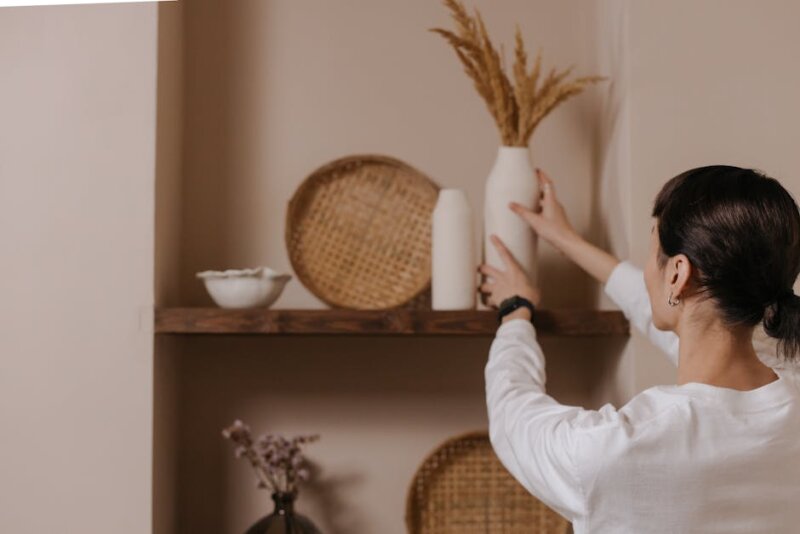
Touch is often overlooked in traditional interior design, but in a sensory-enhanced living room, it is paramount. From plush velvet sofas to handwoven wool rugs, tactile elements are being used to invite interaction. Designers are experimenting with materials like cork and reclaimed wood to add warmth and character to spaces. The goal is to create a tactile landscape where every surface invites touch, whether it’s the smoothness of a leather armchair or the rough texture of a rustic coffee table.
The Social and Psychological Impact
Beyond the immediate sensory appeal, these living rooms are designed to support mental well-being and social interaction. By creating environments that encourage relaxation and invite conversation, sensory-enhanced spaces can reduce stress and foster connections. Imagine a family gathering where the environment feels inviting and harmonious, encouraging guests to linger longer and engage more deeply. This is the ultimate aim: to transform rooms from mere functional spaces into enriching experiences that are shared and savored.
Practical Takeaway: How to Get Started
Ready to embark on your sensory-enhanced living room journey? Start small. Introduce a single element, like a smart diffuser or a textured throw, and gradually expand as you discover what resonates with you. Consult with an interior designer specializing in sensory-enhanced environments or simply explore inspiration online. The key is to blend elements in a way that feels authentic to your personal style and enhances your daily life.