The Urban Homestead: A New Era of City Living

Imagine savoring a salad made from veggies grown just steps away from your kitchen or gathering fresh eggs from your backyard chickens, all while living in the heart of the city. Welcome to 2026, where urban homesteading is transforming city life into a model of self-sufficiency and sustainability. The movement combines the best of urban convenience with the self-reliant lifestyle of a country homestead. It’s not just a trend; it’s a whole new approach to city living.
Why Urban Homesteading Now?
The past few years have seen an increased desire for independence and sustainability. With climate change challenges and economic uncertainties, more urban dwellers are seeking ways to be less reliant on external sources. Plus, as remote work continues to rise, people have more flexibility and time to invest in home-based projects. Urban homesteading offers a practical solution, creating an ecosystem where cities become more resilient and self-sustaining.
Starting Small: Your Urban Oasis
Getting started with urban homesteading doesn’t require a massive overhaul of your living space. Begin small and gradually expand your efforts. Here are some steps:
- Balcony Gardening: Use your balcony or window ledge to grow herbs and vegetables. A small container garden can provide a surprising amount of produce.
- Rooftop Beekeeping: If your building allows, consider setting up a beehive. Bees are essential pollinators, and you’ll enjoy fresh honey.
- Composting: Transform kitchen scraps into nutrient-rich gold for your garden. It reduces waste and enriches your plants.
Chickens in the City?
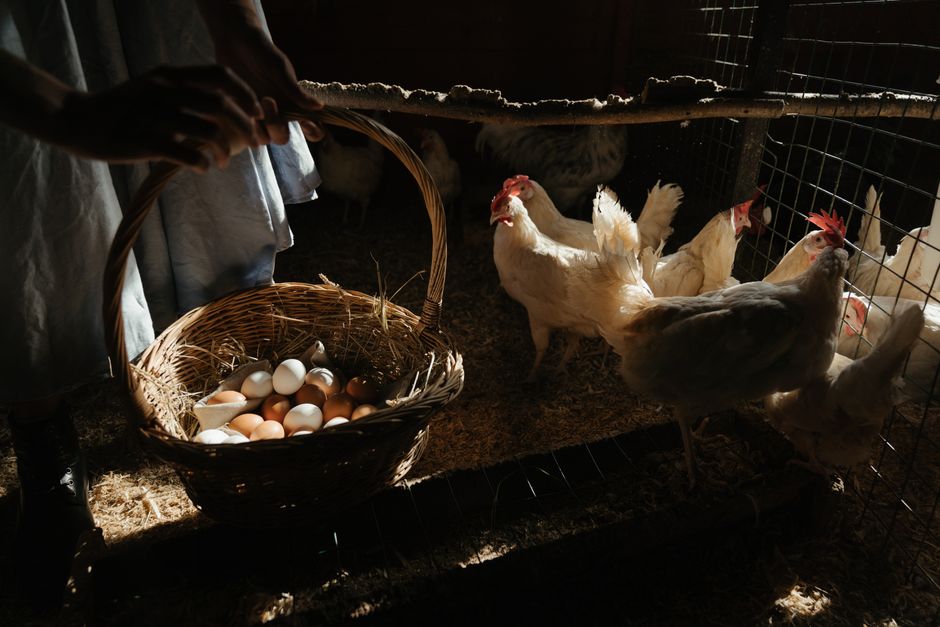
Yes, you can keep chickens in the city! Many urban areas have updated regulations to allow for backyard chickens. They require little space and offer a steady supply of eggs. Chickens are surprisingly easy to manage and can even help with pest control in your garden. Make sure to check your local laws and consult with neighbors before starting your flock.
Preserving and Storing Your Harvest
Once your urban homestead is producing, learn to preserve your bounty. Techniques like canning, drying, and pickling can extend the life of your produce, allowing you to enjoy homegrown flavors year-round. Invest in a small freezer for bulk storage of fruits and vegetables. Sharing surplus with neighbors can also foster community ties.
The Community Connection
Urban homesteading isn’t just about independence—it’s about community resilience. Join local homesteading groups or start one in your neighborhood. Share tips, trade seeds, and even organize community gardens. These collaborations can enhance food security and strengthen community bonds in urban settings.
Practical Takeaway
Urban homesteading is more than a lifestyle choice; it’s a practical response to the challenges of modern city living. By embracing this approach, you’re not only contributing to a more sustainable urban environment but also enriching your life with fresh food, community connections, and a sense of accomplishment. Start small, educate yourself, and watch your urban oasis flourish.