Embrace the Aromas

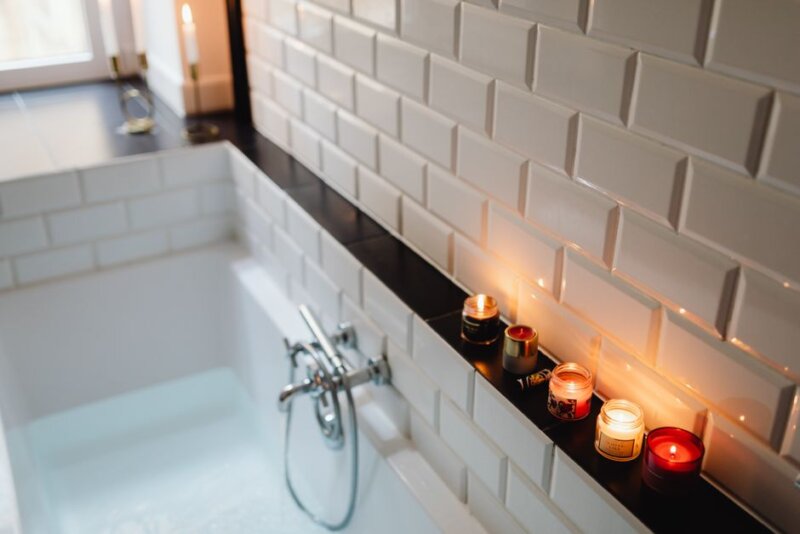
In 2026, our homes are no longer just visual masterpieces; they’re multi-sensory havens. Our olfactory senses play a vital role in setting the mood and boosting our well-being. Consider incorporating aromatic elements like essential oil diffusers or scented candles strategically placed around your home. Lavender in the bedroom can promote relaxation and restful sleep, while invigorating citrus scents in the kitchen can kickstart your morning routine.
A trip to local markets, like New York City’s Union Square Greenmarket or the famous Pike Place Market in Seattle, can offer an array of natural scents. Homemade potpourris with dried flowers and herbs not only add a personal touch but also a natural aroma to your living space.
Soundscapes That Soothe
Sound is an often-overlooked element in home design that can significantly impact how we feel. In 2026, soundscapes are as crucial as furniture. Whether it’s the gentle trickle of an indoor water feature or curated playlists that evolve throughout the day, sound can transform a space.

Consider investing in high-quality speakers or even a smart sound system that can adjust audio environments based on the time of day or your activities. From morning meditations with ocean waves to upbeat tunes for afternoon productivity, sound is your ally in crafting the perfect atmosphere.
- Outdoor Connection: If possible, open windows or doors to let in the natural sounds of your environment. Birds chirping or the rustle of leaves can instantly create a more expansive feel.
- Noise Reduction: Use soft furnishings like rugs and drapes to absorb unwanted noise, promoting a peaceful interior.
Touch: Textures That Tell Stories
The materials we choose speak volumes, not just visually but through their textures. In 2026, designers and homeowners are increasingly drawn to tactile experiences. Imagine running your fingers over a rugged stone fireplace or sinking your feet into a luxurious, plush carpet.
Mixing textures is key. Pair a sleek, modern sofa with a chunky-knit throw, or juxtapose smooth marble countertops with rustic wooden cabinets. These contrasts provide layers of interest and invite you to interact with your space physically.
Palette for the Palette: Tasteful Integrations
While taste might seem less relevant in home design, it’s about creating spaces that enhance the culinary experiences. Open-plan kitchens that seamlessly transition into dining areas encourage shared meals and conversations. Stock your pantry with international spices and flavors, inviting culinary exploration.

Consider growing your own herbs or setting up a small indoor garden. Fresh basil, mint, or rosemary within arm’s reach can elevate everyday dishes to gourmet levels. Cities like Austin and Portland have seen a rise in community-supported agriculture, connecting urban dwellers with fresh produce and local flavors.
Visual Feast: A Balanced Eye-Catcher
Finally, the aesthetic appeal of your home should captivate without overwhelming. In 2026, the trend leans towards minimalism with personalized touches. Choose artwork and decor that speaks to your soul and sparks joy.
Gallery walls are a popular choice, allowing you to display a collection of personal photos, art pieces, or even collected mementos. This approach not only adds visual interest but tells a story unique to you.
Lighting also plays a crucial role in how we perceive colors and textures. Layer different light sources, such as ambient, task, and accent lighting, to enhance the visual appeal of each room at any time of day.
Takeaway: Design with Intention
A multi-sensory home in 2026 is about more than just aesthetics; it’s about living intentionally with every sense engaged. By incorporating elements that stimulate sight, sound, smell, touch, and even taste, your home can become a sanctuary that nurtures and inspires. Pay attention to the little details, and watch as your living space transforms into an immersive experience.