Embracing the Multi-Generational Household
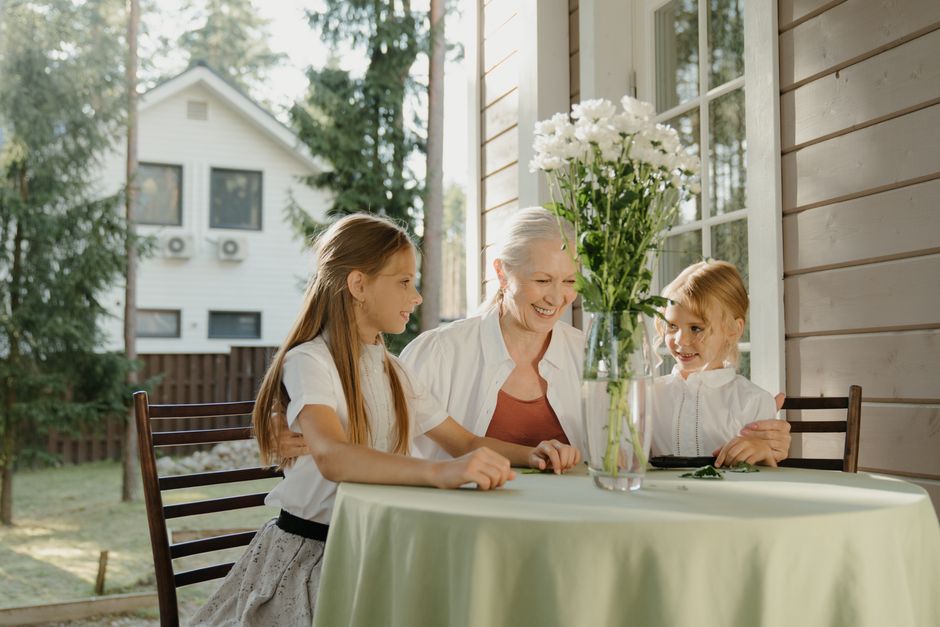
In 2026, the trend towards multi-generational living is more pronounced than ever. As families find themselves welcoming grandparents, adult children, and even extended relatives under one roof, the need for homes that cater to various needs is growing. This shift isn’t just about adding more rooms; it’s about creating a harmonious space that respects privacy while encouraging family bonds.
Designing for Privacy and Togetherness
Balancing privacy and communal living can be tricky. One popular solution is the ‘home within a home’ design, where a separate living suite is included. These suites often come with a private entrance, a small kitchenette, and a bathroom, offering independence for those who need it. Think of it as an elegant blend of a studio apartment and a traditional bedroom.
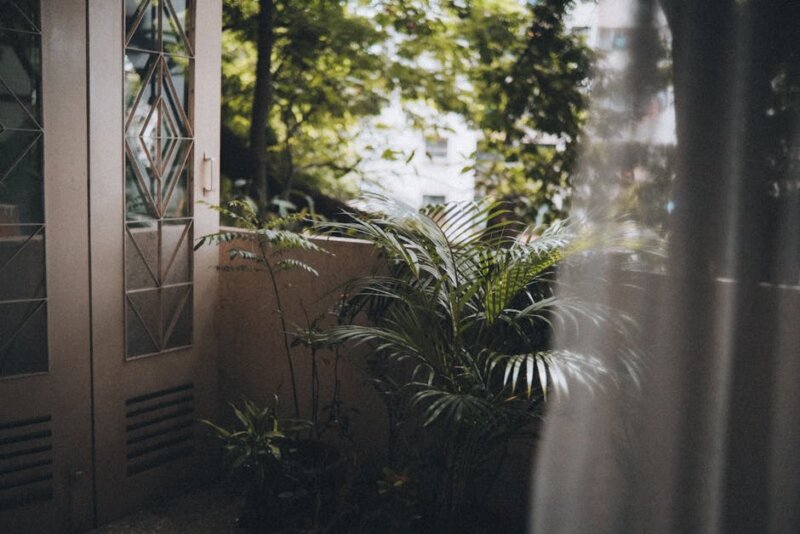
In Portland, Oregon, architects are innovating with clever designs that integrate nature, offering outdoor access from these suites, which enhances a sense of freedom and tranquillity.
Flexible Spaces for a Dynamic Family Life
Flexibility is key in a multi-generational home. Rooms that can adapt to various family needs become invaluable. For example, a home office can double as a guest room, and a playroom might transform into a gym or a meditation space. Designers suggest using modular furniture and sliding walls to make these transformations easy and efficient.
In New York City, compact apartments employ furniture that folds into walls or ceilings, maximizing space without compromising on functionality. This kind of flexibility is crucial, especially when the number of residents fluctuates over the years.
Inclusive Design for All Ages
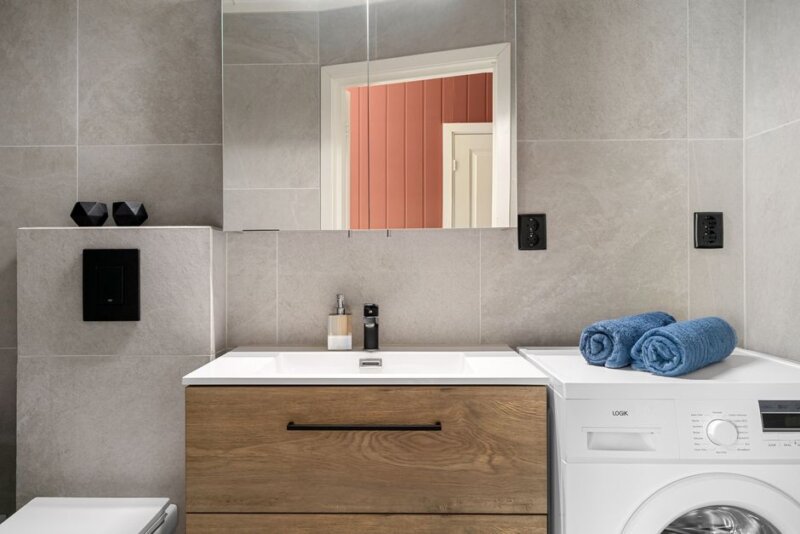
A truly multi-generational home is accessible and comfortable for everyone, from toddlers to seniors. Features like wider doorways, slip-resistant flooring, and walk-in showers enhance safety and usability. Smart home technologies further this inclusivity by allowing voice-activated commands for lighting, temperature control, and security, making life easier and safer for elderly family members.
Consider the implementation of smart blinds and lighting systems that adjust automatically, improving the living experience for those with limited mobility or vision impairments.
Creating Communal Spaces That Foster Connection

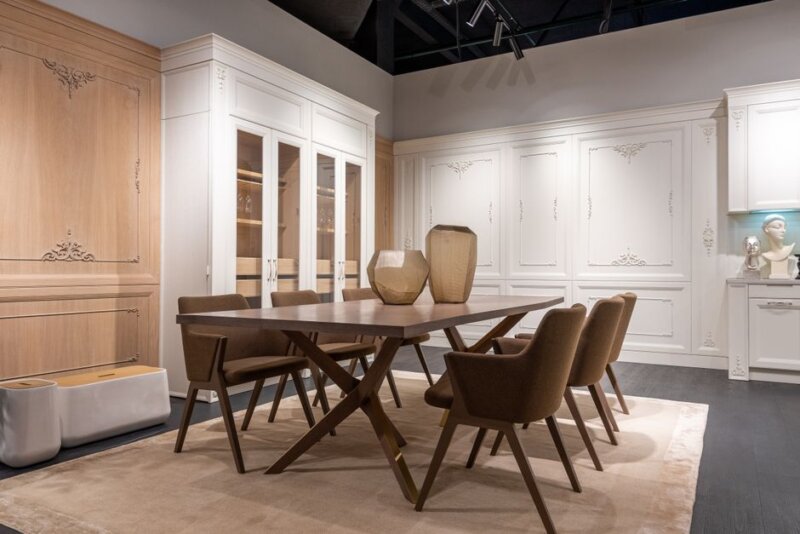
While privacy is important, so is fostering connection. Communal areas like large, open-plan kitchens and living rooms serve as the heart of the home, bringing family members together. Large dining tables that can seat the entire family, combined with comfortable seating arrangements, encourage gatherings at meal times and shared activities.
In homes across Austin, Texas, families are finding success with large outdoor patios that serve as an extension of the indoor communal areas, perfect for barbecues, games, and family celebrations.
Investing in the Future: Multi-Generational Home Value
Beyond meeting immediate family needs, multi-generational homes can be a wise investment. With an increasing demand for such living arrangements, properties designed with multiple generations in mind hold their value well and often appreciate faster than more traditional layouts. They cater to a growing market niche, ensuring that your home remains desirable if you ever choose to sell.
Real estate agents in Los Angeles report that homes with adaptable designs and added self-contained living spaces can command a premium, attracting buyers who recognize their long-term benefits.

Practical Takeaway: As we move further into 2026, the trend of multi-generational living offers an opportunity to redesign our homes for efficiency, comfort, and connection. By considering privacy, flexibility, accessibility, and communal spaces, you can create a home that not only meets the needs of today’s family but also stands as a valuable, future-proof investment.